


Subtotal ₹0.00
Varicose Veins: Causes, Stages, Risk Factors and Treatment Options
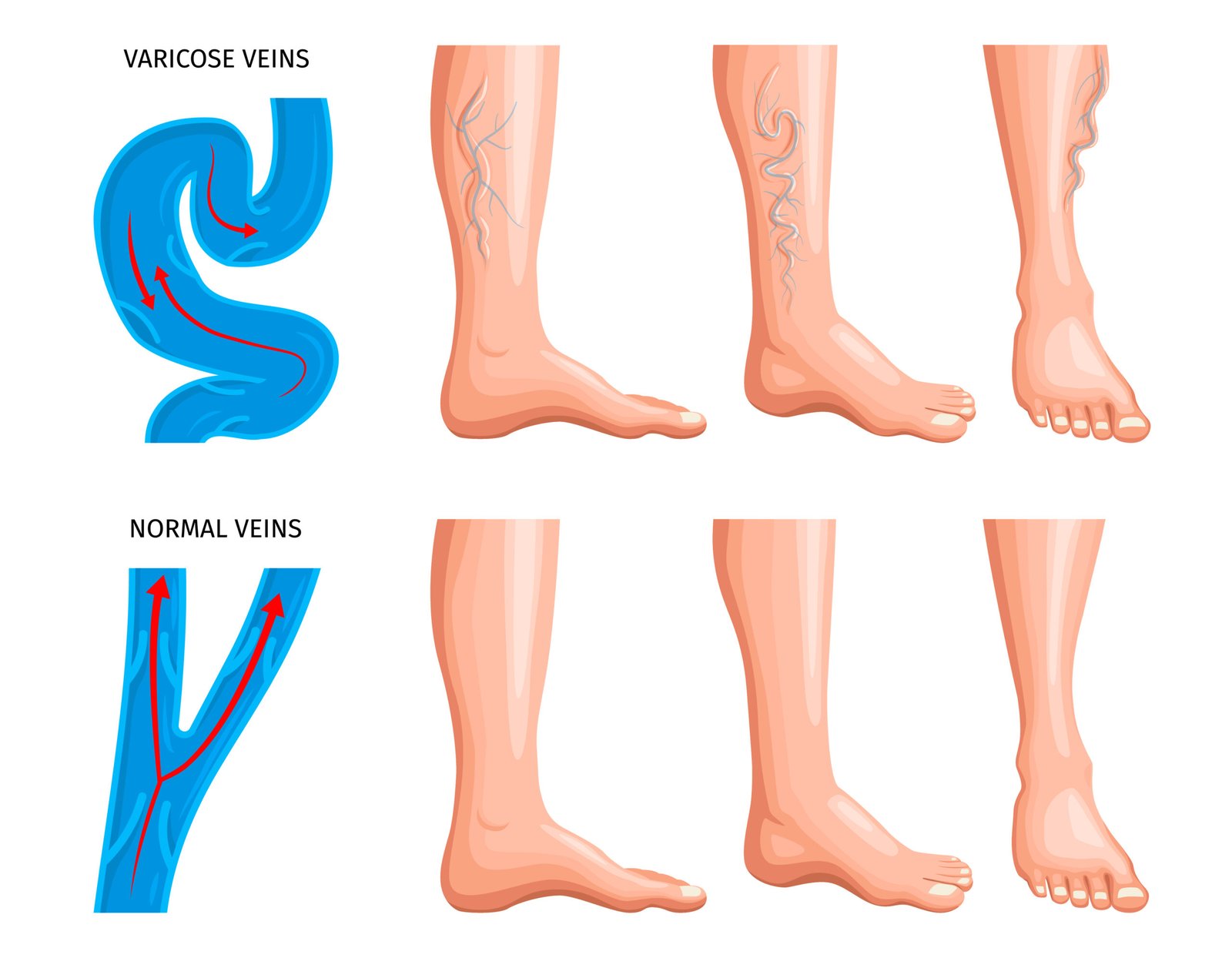
Varicose veins are a common circulatory problem affecting many people. They appear as enlarged, twisted, or bluish veins, most commonly in the legs. While they may initially seem like a cosmetic concern, varicose veins can sometimes be associated with pain, heaviness, swelling, skin changes, and ulcers.
Many people seek different treatments but may continue to experience symptoms. Understanding why varicose veins develop, how the condition progresses, and when medical evaluation is necessary is therefore important.
What Causes Varicose Veins?
There are several misconceptions about the causes of varicose veins. Being overweight, standing for long periods, pregnancy, age, and family history may all be associated with an increased risk.
However, the underlying problem is usually related to the functioning of the veins in the legs.
Healthy leg veins contain valves that help blood travel upward toward the heart. When these valves become weak or stop functioning properly, blood can flow backward and accumulate in the veins. This increases pressure within the veins and can cause them to become enlarged and twisted.
Therefore, the exact cause and severity should be assessed individually rather than assuming that one factor is responsible for every case.
Why Can Varicose Veins Develop During Pregnancy?
Pregnancy causes several changes in the cardiovascular and musculoskeletal systems.
Blood volume increases during pregnancy, hormonal changes can affect the veins, and the growing uterus can place additional pressure on the veins in the pelvic region. These factors can make it more difficult for blood to return efficiently from the legs.
Pregnancy can also change posture, movement patterns, and the way a person sits or stands. These changes may contribute to the development or worsening of varicose veins in some women.
However, it is not accurate to attribute pregnancy-related varicose veins simply to the weight of the baby. Multiple physiological factors can contribute.
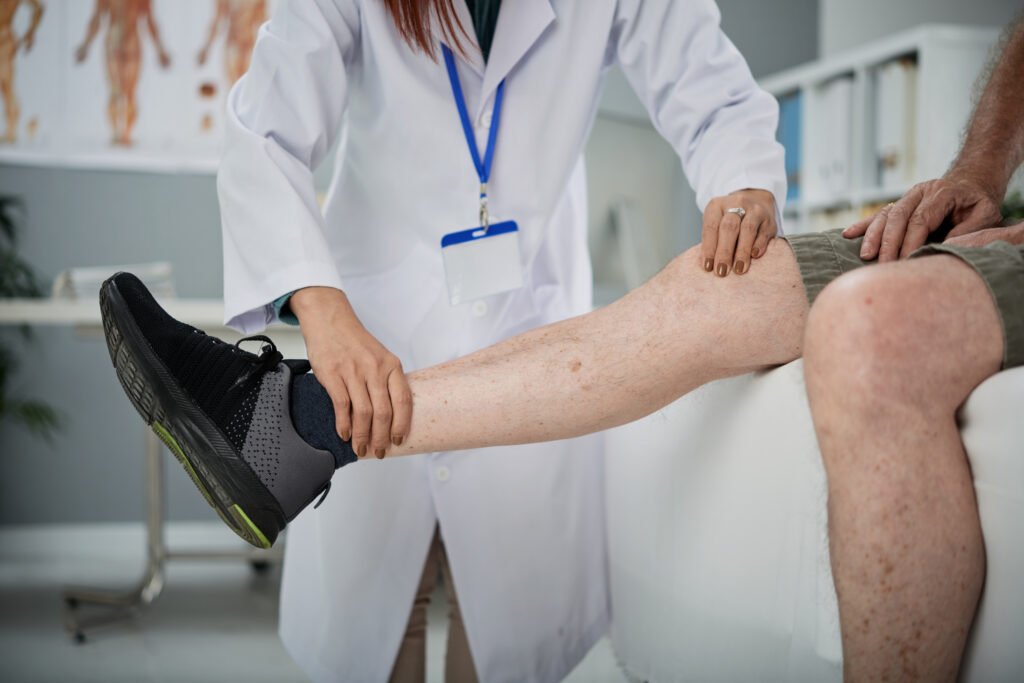
Stages of Varicose Veins
Varicose veins can progress over time. The symptoms and appearance may vary from person to person.
Stage 1 – Spider Veins
Small, thread-like or spider-shaped veins may become visible beneath the skin. At this stage, there may be little or no pain or swelling.
Stage 2 – Enlarged Varicose Veins
The veins may become more prominent, enlarged, and twisted. They can be clearly visible beneath the skin.
Stage 3 – Swelling
Swelling may develop around the legs and ankles, particularly after prolonged standing or at the end of the day.
Stage 4 – Skin Changes
As the condition progresses, changes in skin colour, irritation, dryness, or inflammation may occur around the affected area.
Stage 5 – Venous Ulcer Development
In more advanced cases, skin breakdown may occur and ulcers can develop around the lower leg or ankle.
Stage 6 – Non-Healing Ulcers
Some advanced ulcers may become difficult to heal and require specialised medical management.
Why Is Proper Evaluation Important?
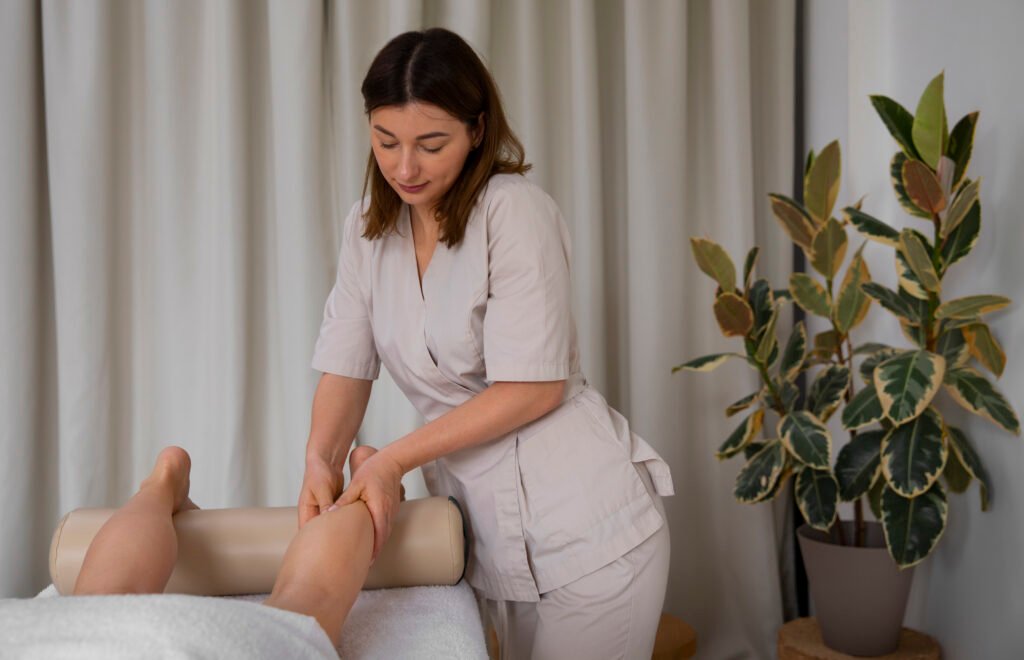
Treatment should not be based only on the visible appearance of the veins. A proper evaluation should consider the patient’s symptoms, circulation, swelling, skin condition, medical history, and the functioning of the affected veins.
Depending on the severity and underlying cause, treatment may include lifestyle modifications, compression therapy, medications for associated symptoms, minimally invasive procedures, or surgery.
The appropriate approach should always be selected after a proper medical assessment.
When Should You Consult a Doctor?
If you experience persistent leg pain, heaviness, swelling, itching, skin colour changes, prominent veins, or wounds around the legs or ankles, it is advisable to seek medical attention.
Early evaluation can help identify the severity of the condition and determine the most appropriate treatment approach.
Understanding the Root of the Problem
Varicose veins should not be considered merely a cosmetic problem. Understanding how the veins are functioning and identifying the factors contributing to the condition are important steps toward effective management.
If you have symptoms of varicose veins, consult a qualified healthcare professional for an appropriate examination and personalised advice.
Dr. Jobin Jacob (MD Ayurveda)
Olive Ayurveda Hospital Rehabilitation & Cosmetic Centre
Pukkattupady, Aluva, Kerala