


Subtotal ₹0.00


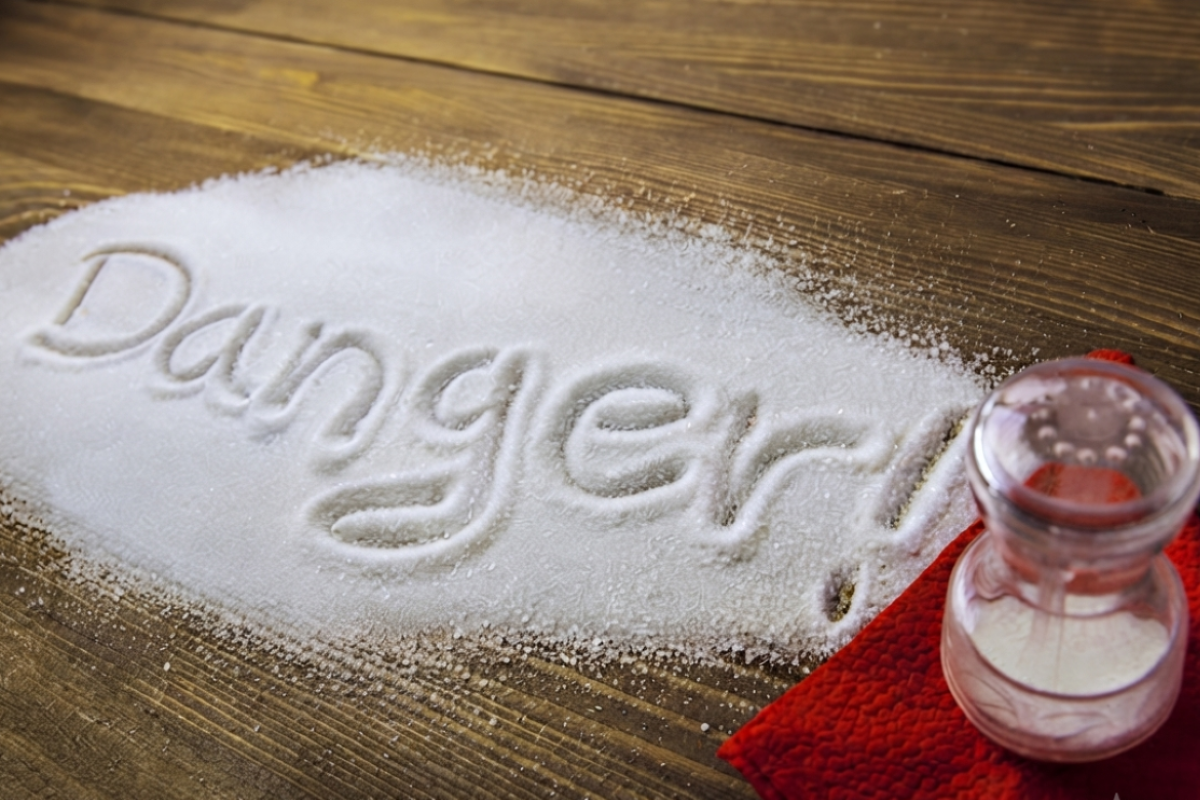
Sodium Deficiency (Hyponatremia): Causes, Symptoms, and the Importance of Proper Management
Sodium is one of the most important electrolytes in the human body. However, when sodium levels in the blood become too low, a condition known as hyponatremia can develop. This is particularly common among older adults and people with certain underlying health conditions.
Hyponatremia should not be considered a minor problem. Depending on how low the sodium level becomes and how quickly it falls, it can cause significant weakness, confusion, neurological symptoms, and, in severe cases, loss of consciousness.
What Is Sodium and Why Is It Important?
Sodium is an essential electrolyte that plays several important roles in the body. It helps regulate:
Nerve function
Muscle activity
Fluid balance
Blood volume
Normal cellular function
When sodium levels fall significantly, the body’s normal functions can be affected.
A person with low sodium may experience severe weakness, fatigue, difficulty speaking, confusion, drowsiness, or difficulty opening their eyes. In severe cases, neurological function can be affected and the person may develop seizures, reduced consciousness, or even coma.
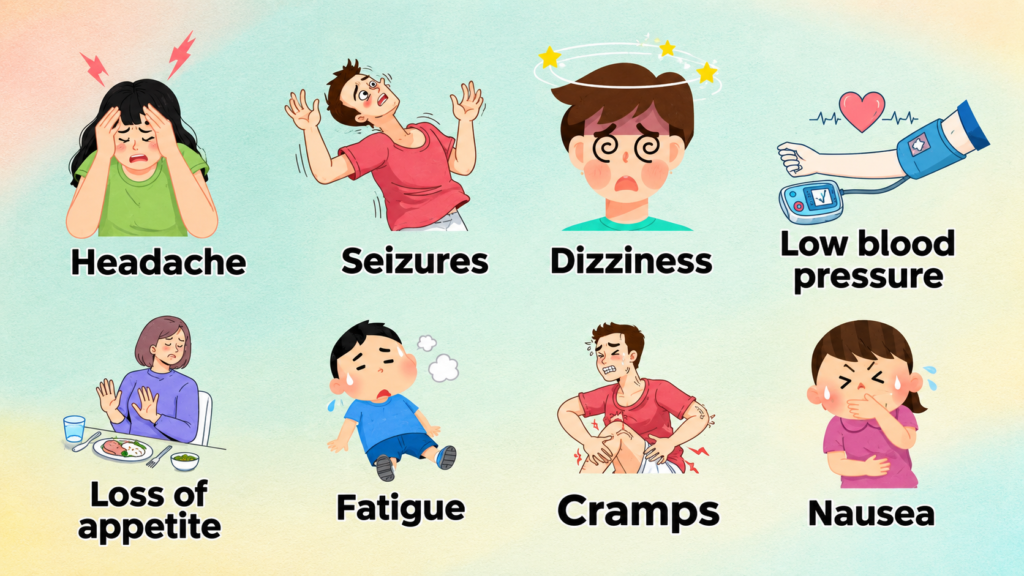
Severe symptoms such as:
Confusion
Extreme drowsiness
Seizures
Severe weakness
Difficulty speaking
Loss of consciousness
Severe headache
Altered mental status
require urgent medical attention.
Rapid correction of severe hyponatremia can also be dangerous, so treatment should be carefully monitored by healthcare professionals.
Common Early Symptoms
-
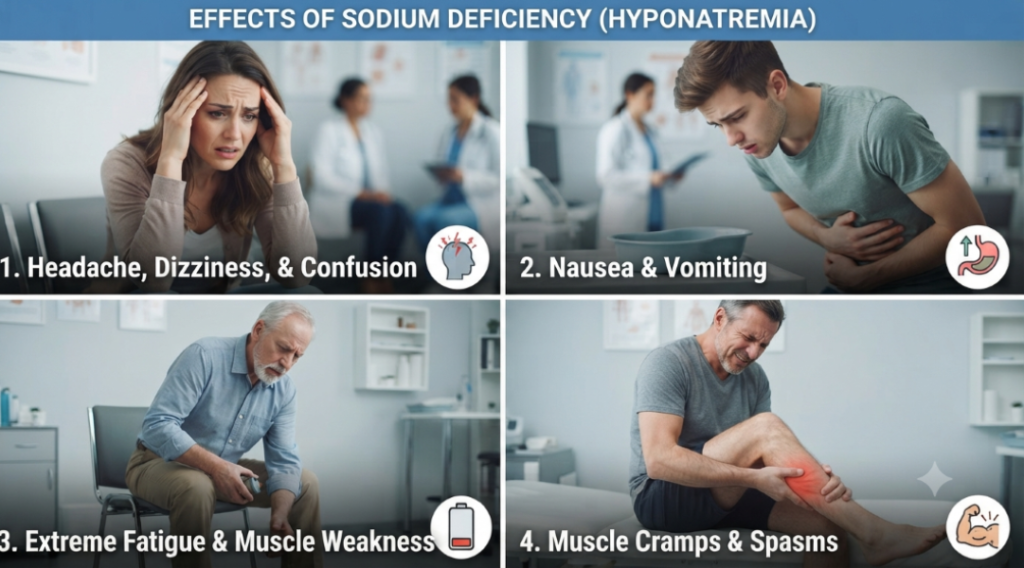
Nausea and Vomiting: A sudden drop in sodium can upset the gastrointestinal tract, leading to persistent queeziness and occasional vomiting.
-
Headache: Cellular swelling caused by fluid shifting into brain tissue frequently triggers dull, persistent head pain.
-
Lethargy and Fatigue: Profound tiredness, weakness, and a general lack of energy are common as the body’s fluid and electrolyte balance is compromised.
-
Muscle Cramps and Spasms: Low electrolyte levels interfere with neuromuscular signaling, causing painful involuntary contractions in the limbs.
When sodium levels fall significantly, the body’s normal functions can be affected.
A person with low sodium may experience severe weakness, fatigue, difficulty speaking, confusion, drowsiness, or difficulty opening their eyes. In severe cases, neurological function can be affected and the person may develop seizures, reduced consciousness, or even coma.
Why Does Sodium Become Low?
One of the important mechanisms behind hyponatremia is excess water relative to the amount of sodium in the body. When there is too much water in the body, sodium becomes diluted.
Several factors can contribute to this, including:
Excessive fluid intake in certain situations
Kidney problems
Heart or liver disease
Certain medications
Hormonal disorders
Conditions that cause the body to retain excess water
Therefore, simply consuming more salt is not always the correct solution.
A common misconception is that whenever sodium is low, the person should consume more salt water, salted porridge, or other salty drinks. However, the appropriate management depends on why the sodium level is low.
In some forms of hyponatremia, particularly when excess body water is involved, excessive fluid intake can actually make the sodium concentration lower.
Therefore, fluid intake should be assessed according to the individual’s medical condition, kidney function, heart function, medications, and laboratory findings.
Why Does Sodium Keep Falling Again?
Sodium levels fall.
The person is admitted to hospital.
Sodium is corrected with appropriate medical treatment.
The patient returns home.
After some time, the sodium level falls again.
The cycle repeats.
When this happens, it is important to investigate the underlying cause of the recurrent hyponatremia, rather than simply correcting the sodium level each time.

Can Ayurveda Help in the Management of Recurrent Hyponatremia?
Ayurveda may have a role as a complementary approach in the overall management of a patient, particularly when addressing diet, lifestyle, digestion, fluid management, and underlying health issues.
However, significant or symptomatic hyponatremia is a potentially serious medical condition. Sodium should not be increased or decreased through self-medication or Ayurvedic medicines without appropriate medical supervision.
Treatment aimed only at correcting the laboratory value may provide temporary improvement if the underlying cause remains unaddressed.
The Importance of Identifying the Underlying Cause
Recurrent hyponatremia requires proper evaluation. Doctors may need to assess:
Serum sodium and other electrolytes
Kidney function
Blood glucose
Fluid status
Urine sodium and urine osmolality, when appropriate
Medication history
Heart and liver function
Hormonal causes, including thyroid and adrenal disorders
The treatment depends entirely on the underlying cause.
For example, some patients may require fluid restriction, while others may require different treatment depending on whether they are dehydrated, taking certain medications, or have kidney, heart, liver, or hormonal problems.
Conclusion
Hyponatremia is more than simply having “low salt” in the body. Sodium is a critical electrolyte, and an imbalance can significantly affect the nervous system, muscles, and fluid balance.
If sodium repeatedly becomes low, simply taking salt or repeatedly receiving temporary correction may not solve the underlying problem. A proper medical evaluation is essential to identify why the sodium level is falling and how it can be safely maintained within the normal range.
For patients interested in Ayurveda as part of their overall health management, treatment should be planned individually and in coordination with appropriate medical monitoring.