


Subtotal ₹0.00


Kidney Stones: Why Do They Keep Coming Back and How Can They Be Managed?
Kidney stones are a common urinary problem affecting many people. Some patients experience kidney stones only once, while others develop them repeatedly—even after taking medicines, undergoing procedures, or having stones removed.
How Do Kidney Stones Form?
Urine contains several minerals and salts. Under certain conditions, these substances can become highly concentrated and form crystals. Over time, these crystals may accumulate and develop into kidney stones.
One of the important factors that can contribute to stone formation is insufficient fluid intake. When the body does not receive enough water, urine becomes more concentrated, which may increase the risk of crystal formation in susceptible individuals.
However, dehydration is not the only cause. Diet, family history, certain medical conditions, medications, and metabolic factors can also contribute to kidney stone formation.
Does Holding Urine Cause Kidney Stones?
Many people regularly postpone urination even when they feel the urge to urinate. Ayurveda describes the suppression of the natural urge to urinate as Mutra Vega Dharana.
It is generally advisable not to routinely hold urine for prolonged periods. However, it would be inaccurate to say that holding urine alone is the main cause of kidney stones. Kidney stone formation is influenced by several factors, including hydration, diet, genetics, metabolic conditions, and the chemical composition of the urine.
How Much Water Should You Drink?
Adequate hydration is an important part of kidney stone prevention.
However, there is no single fixed amount of water that is appropriate for everyone. Fluid requirements depend on body weight, climate, physical activity, sweating, diet, and other health conditions.
The goal should be to maintain adequate hydration rather than forcing yourself to drink excessive amounts of water.
People living in hot climates or those who engage in heavy physical activity should pay particular attention to maintaining adequate fluid intake.
Can Kidney Stones Come Back After Removal?
Yes. Removing an existing kidney stone does not necessarily eliminate the factors that caused it to form.
If the underlying dietary and lifestyle factors remain unchanged, new stones may develop in the future.
Therefore, stone removal and stone prevention are two different aspects of kidney stone management.
A long-term prevention plan may be just as important as treating the existing stone.
What Should Be Evaluated Before Treatment?
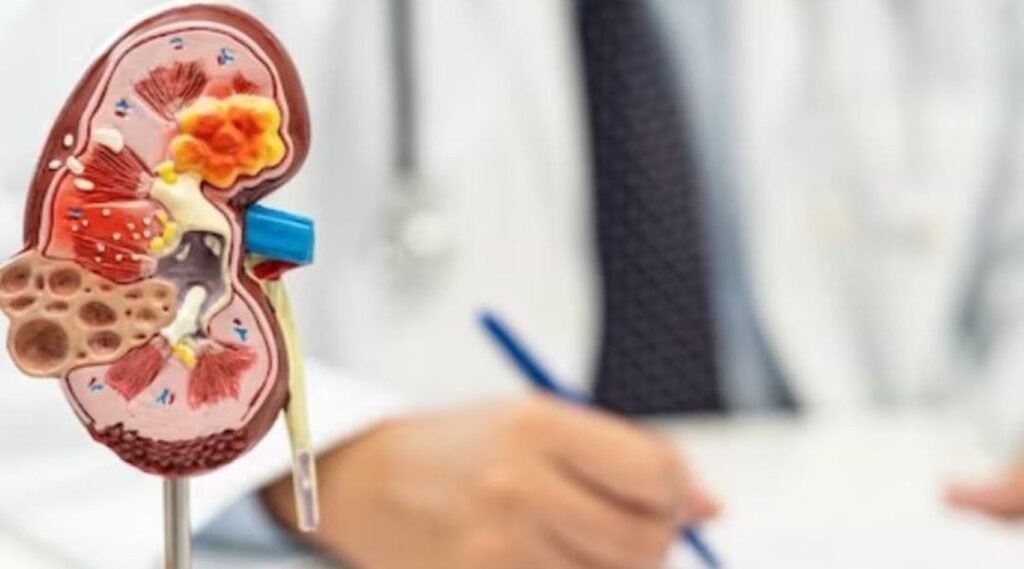
If a kidney stone is detected, several factors need to be assessed, including:
Size of the stone
Number of stones
Location of the stone
Whether the stone is obstructing urine flow
Presence of pain
Presence of urinary infection
Kidney function
Depending on the situation, a doctor may recommend investigations such as an ultrasound or CT scan.
The appropriate treatment depends significantly on the size and location of the stone and the patient’s overall condition.
Why Does the Location of a Kidney Stone Matter?
Not all kidney stones behave in the same way.
Small stones may sometimes pass naturally through the urinary tract. Larger stones or stones located in certain parts of the kidney may be more difficult to pass.
The likelihood of spontaneous passage depends on several factors, particularly the size and location of the stone, as well as the anatomy of the urinary tract.
Therefore, treatment should not be selected simply based on the presence of a stone. A proper evaluation is important.
When Is Surgery or a Procedure Necessary?
In some cases, a kidney stone may require an intervention.
This may be considered when the stone is large, causes significant obstruction, produces persistent or severe symptoms, is associated with infection, or threatens kidney function.
Depending on the case, modern treatment options may include procedures such as endoscopic treatment, shock-wave therapy, or surgical removal.
Therefore, surgery or other procedures should not automatically be considered unnecessary. The safest and most appropriate treatment should be selected according to the patient’s individual condition.
How Can Kidney Stones Be Prevented From Coming Back?
People who have previously developed kidney stones can take several steps to reduce their risk of recurrence:
Drink adequate water throughout the day.
Avoid routinely holding urine for prolonged periods.
Maintain a balanced diet and avoid excessive salt intake.
Follow dietary recommendations appropriate for the specific type of kidney stone.
Maintain a healthy body weight.
Follow up with your doctor and undergo recommended investigations.
If stones recur repeatedly, investigate possible underlying metabolic or dietary causes.
Ayurveda and Kidney Stone Management
Ayurveda has traditionally used various herbal medicines and treatment approaches for urinary and stone-related conditions.
Some approaches are intended to support urinary flow and facilitate the passage of smaller stones. However, there is no single herbal medicine or “one-time remedy” that can be guaranteed to remove every kidney stone.
The effectiveness of any treatment can depend on the stone’s size, location, composition, and the patient’s individual health condition.
Therefore, Ayurvedic treatment should be selected after proper clinical assessment rather than relying on self-medication.
Conclusion
When dealing with kidney stones, the goal should not simply be to remove the existing stone. It is equally important to understand why the stone formed in the first place and how the risk of recurrence can be reduced.
The size and location of the stone, symptoms, urinary obstruction, infection, and kidney function should all be considered before choosing a treatment approach.
Depending on the individual case, management may involve observation, medication, dietary and lifestyle changes, minimally invasive procedures, or surgery.
If you have recurrent kidney stones or persistent urinary symptoms, consult a qualified healthcare professional for appropriate evaluation rather than relying solely on self-medication.