


Subtotal ₹0.00


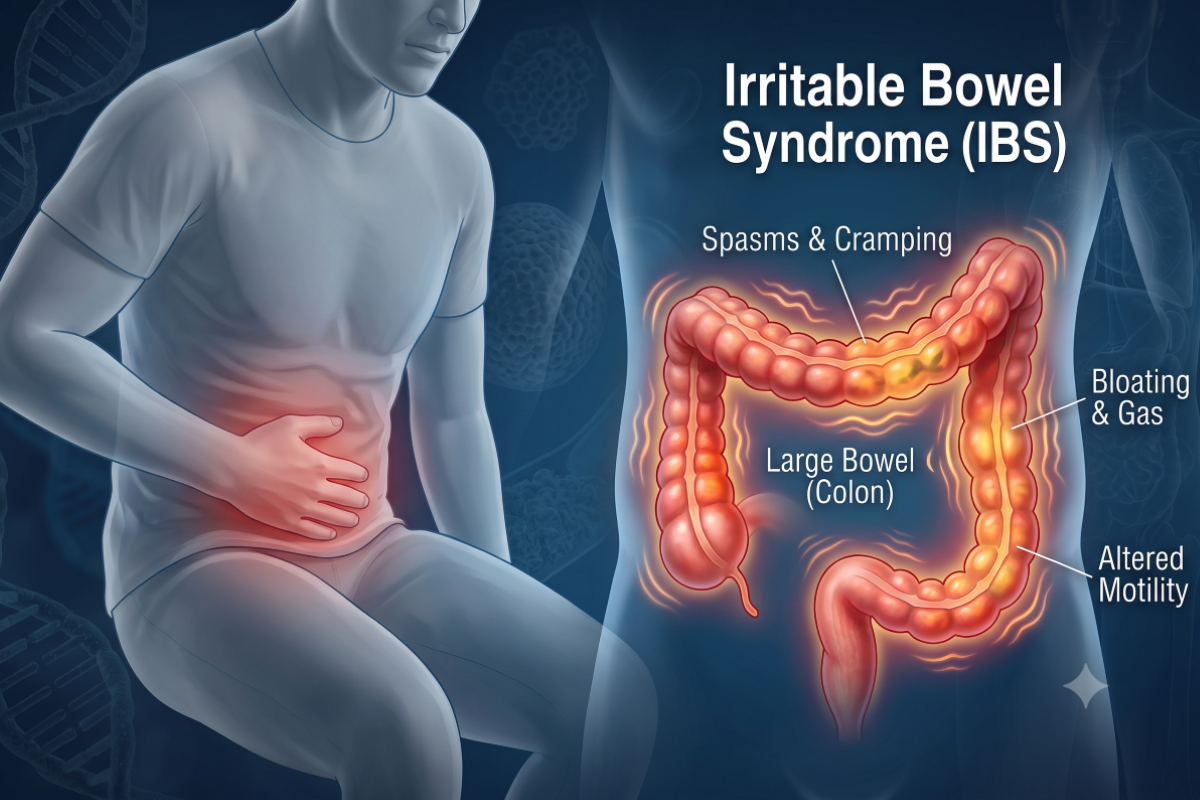
IBS (Irritable Bowel Syndrome): Understanding the Condition, Symptoms and Management
Irritable Bowel Syndrome (IBS) is a common digestive disorder that affects many people and can significantly interfere with daily life. Some people experience symptoms for years and may eventually feel that they simply have to “adjust” to the condition because previous treatments have not provided lasting relief.
What Is IBS?
IBS stands for Irritable Bowel Syndrome. It is generally considered a functional gastrointestinal disorder, meaning that a person can experience significant digestive symptoms even when routine investigations do not show obvious structural abnormalities.
Unlike conditions where a scan or blood test clearly identifies a physical lesion, IBS is usually diagnosed based on the patient’s symptoms, medical history and clinical assessment.
The bowel can become unusually sensitive or reactive, resulting in changes in its normal movement and function.
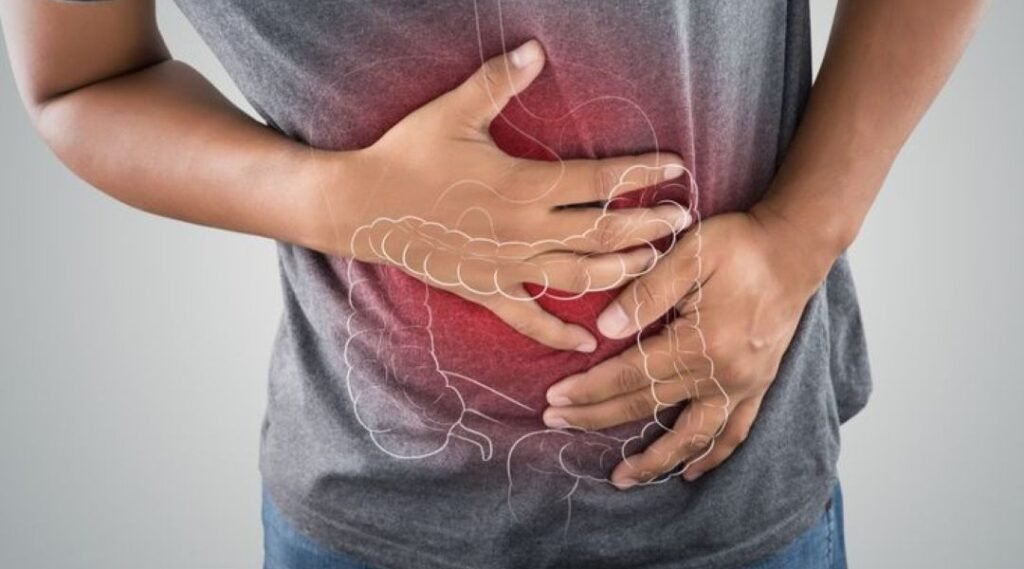
How Does IBS Affect the Intestine?
The intestine has coordinated muscular movements called peristalsis, which help move food and waste through the digestive tract.
When bowel function becomes disturbed, these movements may become irregular or overly sensitive.
In some people, intestinal movement may become too rapid, leading to:
* Frequent loose stools or diarrhea
* An urgent need to use the toilet
* The need to pass stool soon after eating
* Abdominal cramps or discomfort
In others, bowel movement may become slower or irregular, resulting in:
* Constipation
* Difficulty passing stool
* A feeling of incomplete bowel evacuation
Some people experience both patterns alternately. They may have diarrhea at certain times and constipation at other times. This is commonly referred to as mixed-type IBS.
Irritable Bowel Syndrome (IBS) is classified as a functional gastrointestinal disorder, meaning it alters how the intestines work without causing visible structural damage, inflammation, or tissue destruction (unlike conditions like Crohn’s disease or ulcerative colitis).
Here is how IBS affects the intestine physiologically:
- Abnormal Gut Motility (Muscle Contractions): The muscles in the intestinal wall may contract too quickly or too slowly. Rapid contractions lead to diarrhea and cramping, while sluggish contractions cause delayed transit, resulting in hard stools and constipation.
- Visceral Hypersensitivity: The nerves embedded in the intestinal walls become overly sensitive. Normal digestive processes—such as gas movement, mild stretching, or routine digestion—are falsely perceived by the brain as intense pain or discomfort.
- Brain-Gut Axis Dysregulation: There is constant, bidirectional communication between the central nervous system and the enteric nervous system (the “second brain” in the gut). Stress, anxiety, and emotional triggers can directly alter intestinal contractions and trigger flare-ups.
- Microbiome and Barrier Shifts: Many individuals with IBS experience subtle changes in their gut flora balance and mild alterations in the intestinal mucosal barrier permeability (sometimes referred to as low-grade immune activation), which can increase gas production and bloating.
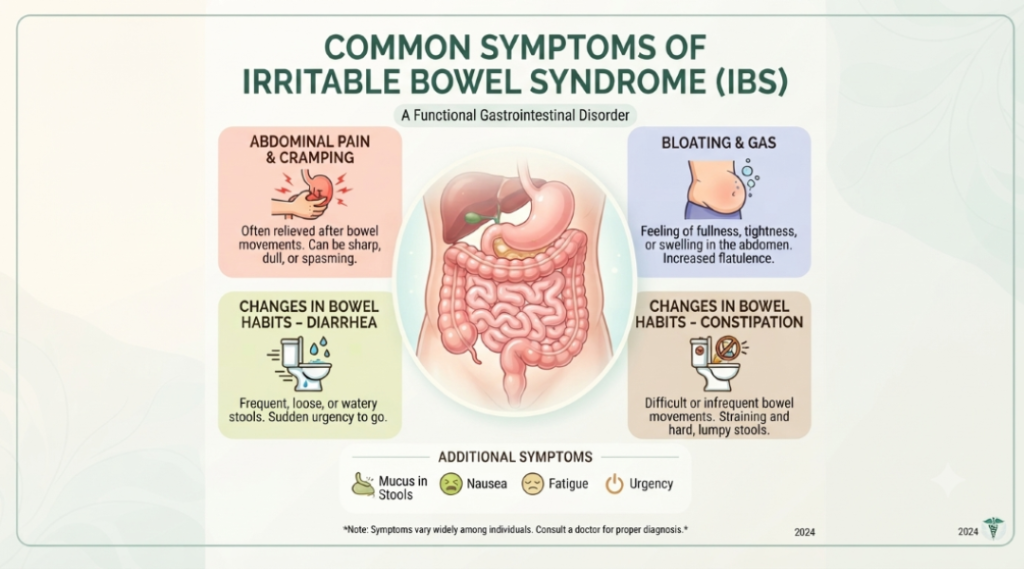
Common Symptoms of IBS
Symptoms can vary considerably from person to person. Common complaints include:
* Abdominal pain or cramping
* Bloating and excessive gas
* Constipation
* Diarrhea or loose stools
* Alternating constipation and diarrhea
* Urgency to pass stool
* Changes in bowel habits
* Symptoms that may be triggered by particular foods
For some individuals, eating itself can trigger the urge to use the toilet. Certain foods may also worsen bloating, abdominal discomfort or changes in bowel movements.
Because the symptoms vary from one person to another, IBS should not be treated as though every patient has exactly the same condition.
IBS and IBD Are Not the Same
One important distinction is between IBS and IBD (Inflammatory Bowel Disease).
Although their names sound similar, they are different conditions.
IBS is primarily a functional disorder in which bowel function and sensitivity are disturbed. In many cases, routine investigations may not show visible damage to the intestine.
IBD, on the other hand, refers mainly to inflammatory diseases such as Crohn’s disease and ulcerative colitis. These conditions can cause actual inflammation and structural changes in the digestive tract.
Depending on the condition, investigations such as blood tests, stool tests, imaging or endoscopy may help identify IBD.
Therefore, persistent or severe digestive symptoms should not automatically be assumed to be IBS. Proper medical evaluation is important to rule out other conditions.
Why Do Some People Struggle With IBS for Years?
Many people with IBS continue to experience symptoms for a long time. They may try different medicines, experience temporary improvement, and then have symptoms return.
Over time, some patients begin to believe that their condition cannot be managed and simply learn to live with the symptoms.
Lifestyle and Dietary Management
Lifestyle modification is an important part of managing IBS.
Depending on the individual’s symptoms, it may be helpful to:
* Identify foods that consistently trigger symptoms
* Maintain regular meal timings
* Avoid unnecessary dietary restrictions without professional guidance
* Maintain adequate hydration
* Get sufficient sleep
* Manage stress effectively
* Maintain regular physical activity
* Develop healthy and regular bowel habits
A food or symptom diary can sometimes help identify patterns between particular foods and digestive symptoms.
The Ayurvedic Approach to IBS
From an Ayurvedic perspective, digestive function and the balance of the body’s physiological processes are important considerations when managing chronic digestive complaints.
An individualized approach may include dietary modifications, lifestyle changes and appropriately selected Ayurvedic medicines based on the person’s symptoms and overall condition.
Treatment should not be identical for every patient. Someone who primarily experiences diarrhea may require a different approach from someone whose main complaint is constipation or alternating bowel habits.
With appropriate assessment and individualized treatment, Ayurveda may be used as part of a broader approach to managing chronic digestive symptoms.
Conclusion
IBS can be frustrating, particularly when symptoms continue for years. But understanding the condition and identifying individual triggers can make a significant difference in its management.
A combination of proper medical evaluation, dietary and lifestyle modifications, and an individualized treatment plan can help many people manage their symptoms and improve their quality of life.
If you are experiencing long-standing digestive problems and would like to understand your condition better, consult a qualified healthcare professional for an appropriate evaluation and treatment plan.