


Subtotal ₹0.00

High Blood Pressure: What You Should Understand Beyond the Medication
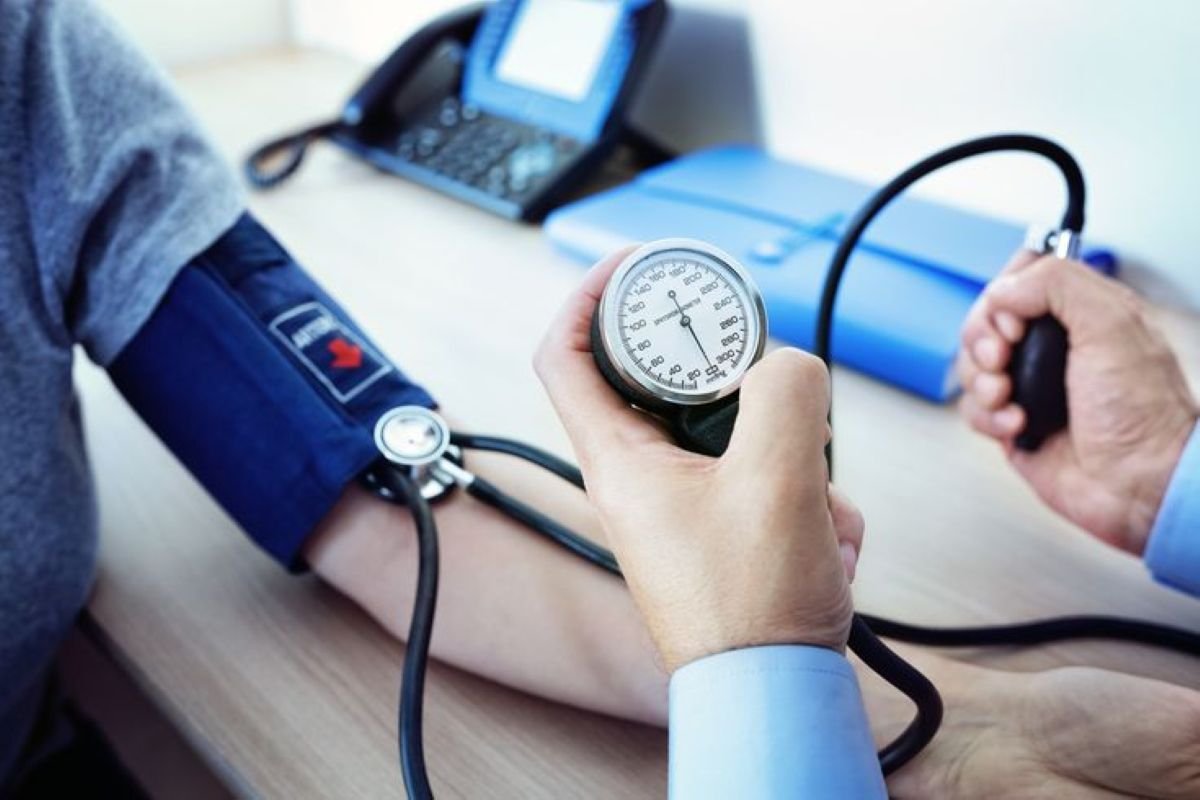
High blood pressure, or hypertension, is one of the most common health conditions affecting people today. Many people take blood-pressure medication regularly for years, and sometimes for the rest of their lives.
“Why is my blood pressure high?”
Controlling the blood pressure number is important, but understanding and managing the factors contributing to high blood pressure is equally important.
What Is Blood Pressure?
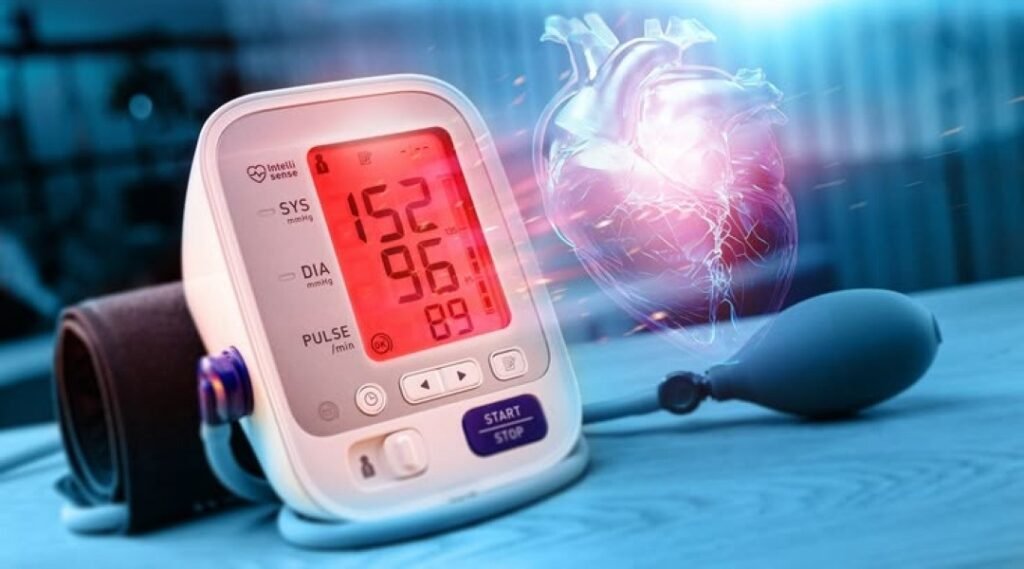
pressure is the force exerted by circulating blood against the walls of our blood vessels.
The heart acts as a pump, continuously sending blood to different parts of the body through the blood vessels. The pressure generated as blood flows through these vessels is what we measure as blood pressure.
There are several groups of medicines used to control hypertension, including:
Beta blockers
Vasodilators
Diuretics
Other antihypertensive medicines
Each group works through a different mechanism.
How Do Blood Pressure Medicines Work?
Some medicines reduce the heart rate or the force with which the heart pumps, thereby helping to lower blood pressure.
Other medicines, such as vasodilators, work by relaxing and widening blood vessels. When the blood vessels become wider, resistance to blood flow can decrease, helping to lower blood pressure.
However, an important point needs to be understood:
Lowering blood pressure is not always the same as addressing every factor contributing to high blood pressure.
Medication can effectively control blood pressure, but lifestyle and other underlying factors may also need attention.
Why Does Blood Pressure Increase?
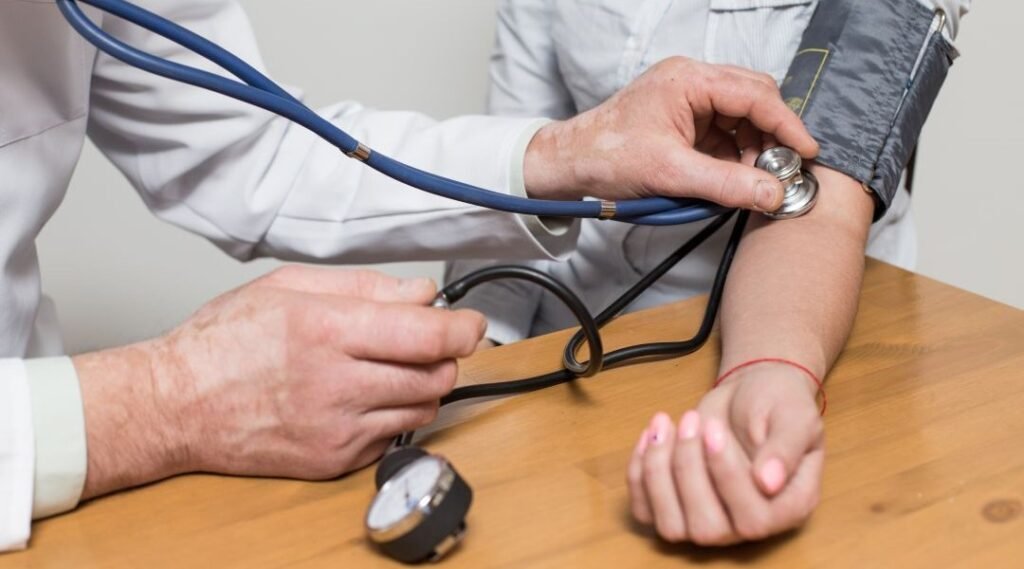
High blood pressure can be influenced by several factors, including:
Chronic stress
Family and relationship problems
Financial stress
Poor sleep
Excessive salt intake
Unhealthy dietary habits
Overweight and obesity
Lack of physical activity
Alcohol consumption
Smoking
Age-related changes
Other medical conditions
Therefore, when someone develops hypertension, it is useful to look at the person’s overall lifestyle and health rather than focusing only on the BP reading.
The Role of Stress
Persistent mental stress can affect both mental and physical health. Family difficulties, financial concerns, work-related pressure and inadequate sleep can all contribute to an unhealthy stress response.
If a problem can be solved, taking practical steps to address it is important. When a situation cannot be changed, learning how to manage the associated stress becomes equally important.
Professional counselling may also be helpful when someone finds it difficult to manage persistent emotional stress.
Managing stress should complement—not replace—appropriate medical treatment.
Lifestyle Changes Matter
Final Thoughts
High blood pressure is often called the “silent killer” because it typically presents no obvious symptoms until significant strain has already been placed on the heart, blood vessels, and vital organs.
-
Consistency is Key: Regular monitoring and tracking of your blood pressure readings are essential, as lifestyle changes and medications can only be effectively managed when guided by accurate, ongoing data.
-
A Holistic Approach: While modern medicine relies on target blood pressure ranges and antihypertensive medications, integrating supportive lifestyle habits—such as stress management, a balanced diet, and proper hydration—plays an indispensable role in long-term cardiovascular health.
-
Proactive Care: Never ignore persistently high readings. Prompt consultation with a healthcare professional ensures timely intervention, reducing the risk of complications like heart attacks and strokes.
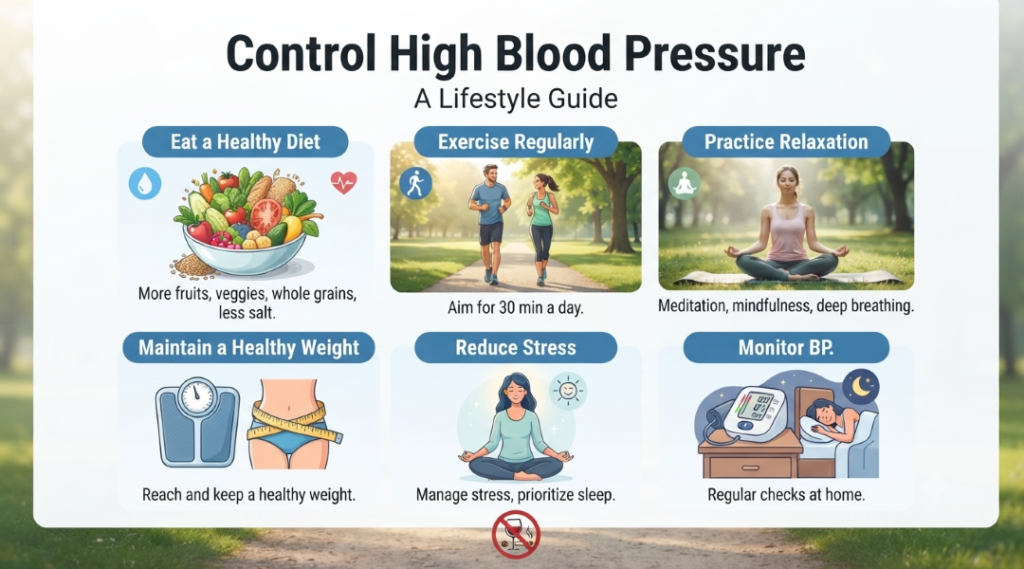
Medication is only one part of hypertension management. A healthy lifestyle can play an important role in overall cardiovascular health.
1. Exercise Regularly
Regular physical activity and appropriate exercise support cardiovascular health and can help with blood-pressure control.
2. Follow a Healthy Diet
Limit excessive salt, processed foods and highly calorie-dense foods. Focus on a balanced diet containing vegetables, fruits, whole foods and appropriate sources of protein.
3. Maintain a Healthy Weight
Maintaining a healthy body weight can contribute significantly to better blood-pressure control and overall health.
4. Avoid Smoking and Limit Alcohol
Smoking and excessive alcohol consumption can negatively affect cardiovascular health and blood pressure.
5. Get Adequate Sleep
Good-quality and regular sleep is an important component of a healthy lifestyle.
What About Swelling in the Legs?
Some blood-pressure medicines can cause ankle or leg swelling (peripheral edema) as a side effect. This is particularly associated with certain calcium-channel blockers.
If you notice swelling around the ankles or legs, especially if it appears or becomes worse toward the evening, discuss it with your doctor.
It is important not to assume that every case of leg swelling is caused by BP medication. Heart, kidney, liver, venous and other medical conditions can also cause edema and may require evaluation.
Never Stop Blood Pressure Medication on Your Own
One of the most important points for anyone taking antihypertensive medication is:
Do not suddenly stop your blood-pressure medicine without medical advice.
Even if your BP readings have improved, stopping or changing medication on your own can be unsafe.
Any reduction, discontinuation or change in medication should be made under the supervision of your treating doctor.
Can Food and Natural Drinks Help?
A healthy diet should be part of hypertension management. Fruits, vegetables, whole foods and other nutritious foods can contribute to overall cardiovascular health.
Apple, beetroot and carrot juice—often referred to as ABC juice—can be included as part of a balanced diet if it suits the individual.
However, it is important to remember:
No single juice, food or herbal product should be considered a replacement for prescribed blood-pressure medication.
If you are taking medication, particularly multiple medicines, discuss any herbal products or supplements with your doctor because some may interact with medications.
The Bottom Line
Blood pressure is more than just a number on a monitor. It is an important indicator of cardiovascular health.
So, when you have high blood pressure, don’t ask only:
“Which medicine should I take?”
Also ask:
“What factors may be contributing to my high blood pressure, and what can I do to improve them?”
Take prescribed medication as directed, while also paying attention to diet, exercise, sleep, stress management, body weight, smoking and alcohol consumption.