


Subtotal ₹0.00

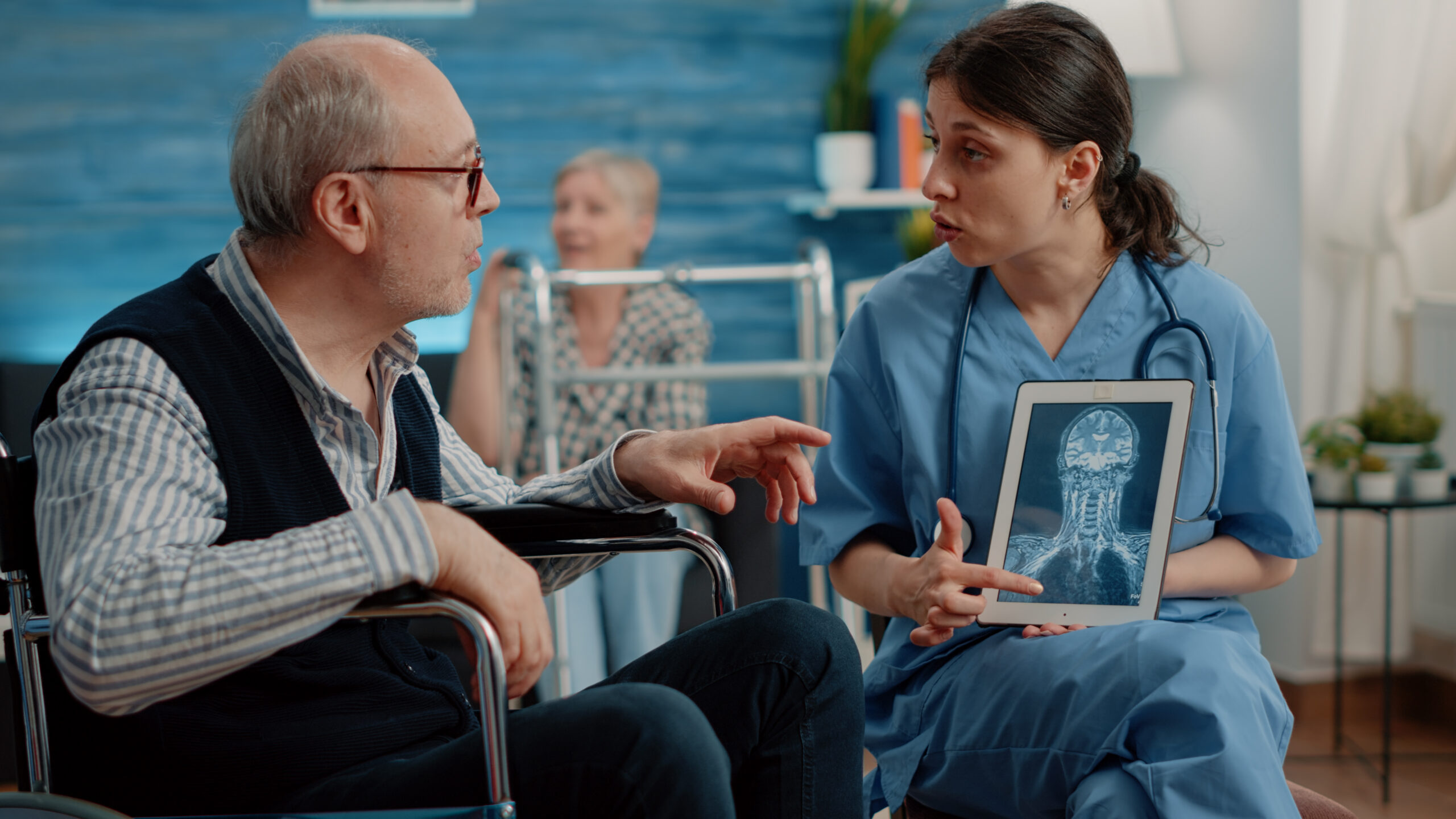
We all know that many people suffer from stroke. We often see people whose one side becomes paralyzed, both legs become weak, one arm and one leg lose function, the tongue becomes affected, they cannot speak properly, they cannot walk, and they go through many difficulties.
Nowadays, we can see that many people develop stroke after the age of forty. We often witness individuals who appear perfectly healthy suddenly becoming bedridden or confined to a wheelchair after suffering a stroke.
One important thing we need to understand is that although treatments are widely available and people are taken to hospitals, many do not stop to think whether they are receiving the proper treatment or what treatment is actually required. The common trend in our society is that when a person suffers a stroke, they are immediately admitted to a hospital.
After providing first aid and emergency care, the hospital often informs the family that there is little more they can do and advises them to continue physiotherapy at home.
If this happens to our parents or relatives, we usually contact a nearby physiotherapist. The therapist visits daily and provides one or two hours of physiotherapy. This routine continues for months. This is the treatment approach most commonly seen today.
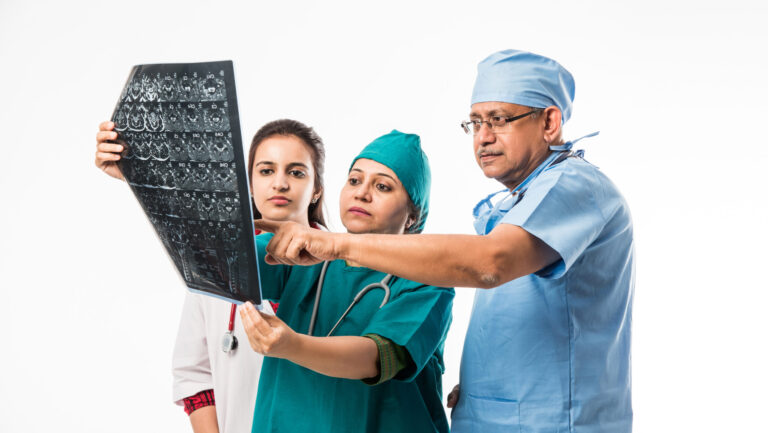
However, we should think about one important question: What exactly is a stroke?
A stroke is an event that occurs in an otherwise healthy individual due to a specific problem.
In many cases, it occurs because a blood vessel in the brain ruptures, causing bleeding within the brain.
When damage occurs in the brain, one side of the body may become weak or paralyzed, or in some cases, the entire body may lose normal function. This condition is known as a stroke.
In reality, there was nothing wrong with the patient’s hands or legs. The actual problem occurred in the brain. The bleeding happened in the brain.
The weakness seen in the arms and legs is merely the consequence of that brain injury. Simply put, movement is lost because the signals from the brain’s control center are no longer reaching the limbs properly.
There is something important we should remember. The stroke occurred in the brain, yet most of the treatment is focused on the patient’s arms and legs.
For example, a physiotherapist comes and spends hours moving the patient’s limbs and performing exercises. However, the patient’s hands and legs were not the original source of the problem. The problem originated in the brain, and it is because of the bleeding in the brain that the limbs became weak.
Yet, the common practice is to focus mainly on physiotherapy. Some patients recover within ten days, thirty days, forty days, or sixty days. Some recover well, while others do not recover completely.
We see patients belonging to many different categories. Why does this happen?
One reason is the body’s natural recovery mechanism, which can be called an auto-healing process.
Our body has a built-in recovery system. Whenever there is an injury or problem, the body attempts to heal itself. For example, if we have a wound, the body naturally works to heal it.
Even if we do not take antibiotics or provide extensive treatment, a wound often heals on its own because the body possesses that healing capacity.
Similarly, when there is an injury or bleeding in the brain, the body has the ability to heal that damage.
The body works continuously to recover from it, but recovery requires time. Some people recover quickly depending on the location of the injury and the extent of the damage. Such individuals may recover within a week, ten days, or thirty days.
Others may take three months or longer. Recovery depends on several factors, including the area affected, the severity of the injury, the patient’s age, and the strength of their immune system. Healthier individuals often recover faster than older or weaker individuals.
However, much of the credit for recovery is often attributed solely to physiotherapy. People believe that the patient recovered because of physiotherapy, and family members also tend to share this belief.
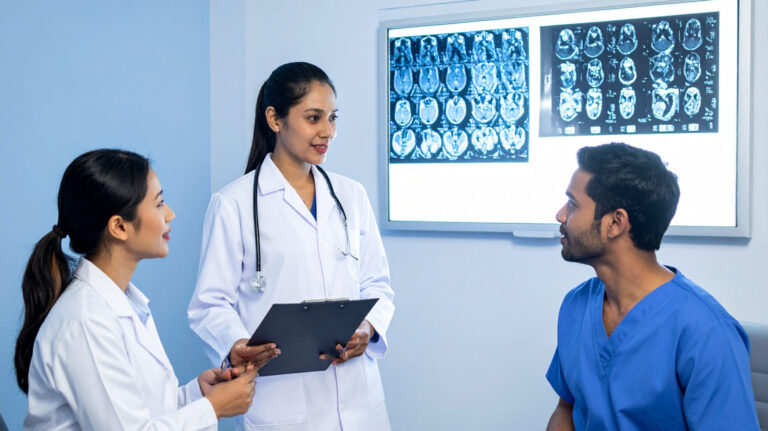
In reality, recovery is not happening merely because exercises are being performed on the arms and legs. The primary problem existed in the brain. As healing occurs within the brain, movement and function gradually return.
This does not mean that physiotherapy is unnecessary. Physiotherapy is certainly important.
When a person is unable to move their limbs for an extended period, blood circulation decreases, muscles begin to waste away, and joint stiffness can develop.
Physiotherapy helps prevent these complications by maintaining normal movement, preserving muscle health, and supporting circulation. That should be its primary purpose.
The mistake occurs when we assume that physiotherapy alone will restore the patient. True recovery depends on the healing of the brain.
The actual treatment focus should be on the brain because that is where the injury occurred. Physiotherapy should serve as supportive care to maintain muscle strength and joint mobility while recovery takes place.
Therefore, if you know someone who has suffered a stroke, it is important to understand that the treatment should focus on the brain, where the actual problem exists.

The first thing we should aim for is strengthening the immune system because a stronger immune system supports faster healing and recovery.
To strengthen the immune system, the body should be purified and protected from toxins. The body must be cleansed and supported properly.
According to this approach, factors such as lifestyle habits, medications, and environmental influences may contribute to the accumulation of toxins, which can reduce the efficiency of the body’s healing mechanisms.
Therefore, purification of the body is considered the first step. This can be done through both external and internal methods. Once the body is purified, the immune system can function more effectively.
The second aspect is supporting healing through hydrogen therapy. Hydrogen is naturally present in the air we breathe and the water we drink.
However, according to this concept, providing hydrogen in a more concentrated form may help support the body’s healing process. This can be achieved through hydrogen-rich water and hydrogen inhalation methods.
When the body receives adequate hydrogen, it is believed to become stronger, supporting immune function and accelerating healing. Modern technologies are now available to provide hydrogen inhalation and hydrogen-enriched water.
Similarly, Ayurveda offers a variety of treatment procedures such as Shirodhara, Shirovasti, and other therapies. These treatments are considered helpful in supporting brain function, balancing neural activity, and promoting overall neurological well-being.
Such therapies are believed to help normalize brain signals and support the balance of neuronal communication. Whether the condition is stroke, Parkinson’s disease, or other neurological disorders, these treatments aim to address imbalances in neural transmission and help restore normal function.
Therefore, this approach emphasizes treating stroke patients through methods that focus on supporting brain recovery rather than relying solely on physiotherapy.
A common problem observed today is that many stroke patients are brought home and treated only with physiotherapy.
According to this perspective, treatment should instead focus on addressing the underlying brain injury caused by the bleeding and supporting the body’s natural healing mechanisms.
The first step is body purification, which is believed to strengthen the immune system and enhance healing capacity.
The second step is maintaining adequate hydrogen support through hydrogen-rich water and hydrogen inhalation therapies.
The third step involves utilizing Ayurvedic treatments designed to support brain function and neurological balance. Through these procedures, stroke management may be improved significantly.
If someone you know is struggling with stroke, consider seeking appropriate treatment that addresses the underlying condition comprehensively. With the right approach, meaningful improvements may be possible.