


Subtotal ₹0.00


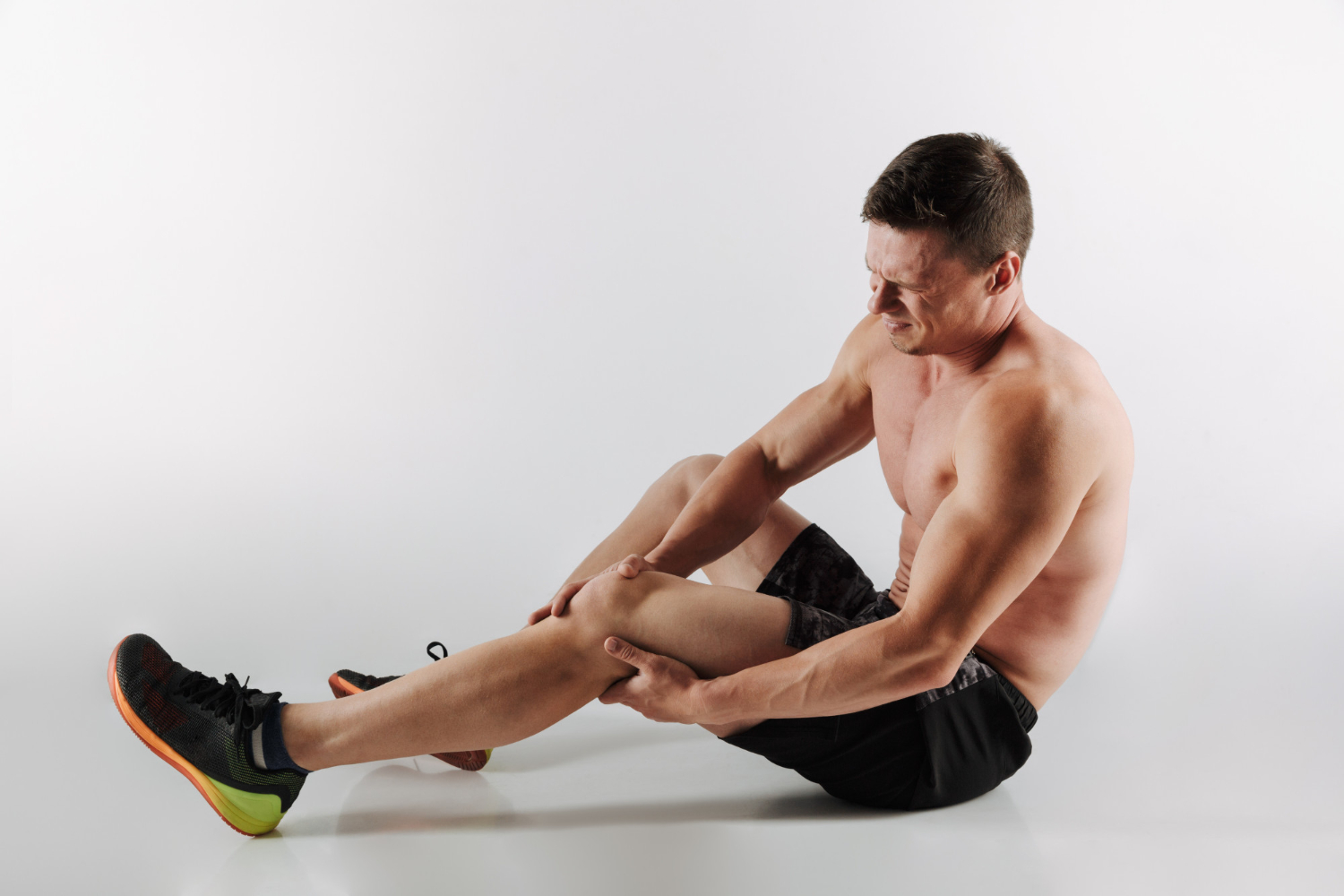
Understanding Knee Pain: Causes, Stages, Symptoms, and the Right Treatment
Knee pain is one of the most common joint problems affecting people of all ages. While many people ignore the early warning signs, untreated knee pain can gradually progress into severe joint damage that may eventually require knee replacement surgery. Understanding how knee pain develops and knowing the right treatment at each stage can help preserve your joint health and improve your quality of life.
What is Knee Pain?
The knee is one of the largest and most important joints in the human body. It supports your body weight and allows you to walk, run, climb stairs, and perform daily activities. The joint is protected by a smooth layer of cartilage, lubricated by synovial fluid, and stabilized by strong ligaments and muscles.
When any of these structures become damaged or weakened, knee pain develops. The condition may occur due to aging, excessive body weight, previous injuries, repetitive stress, arthritis, or cartilage degeneration.
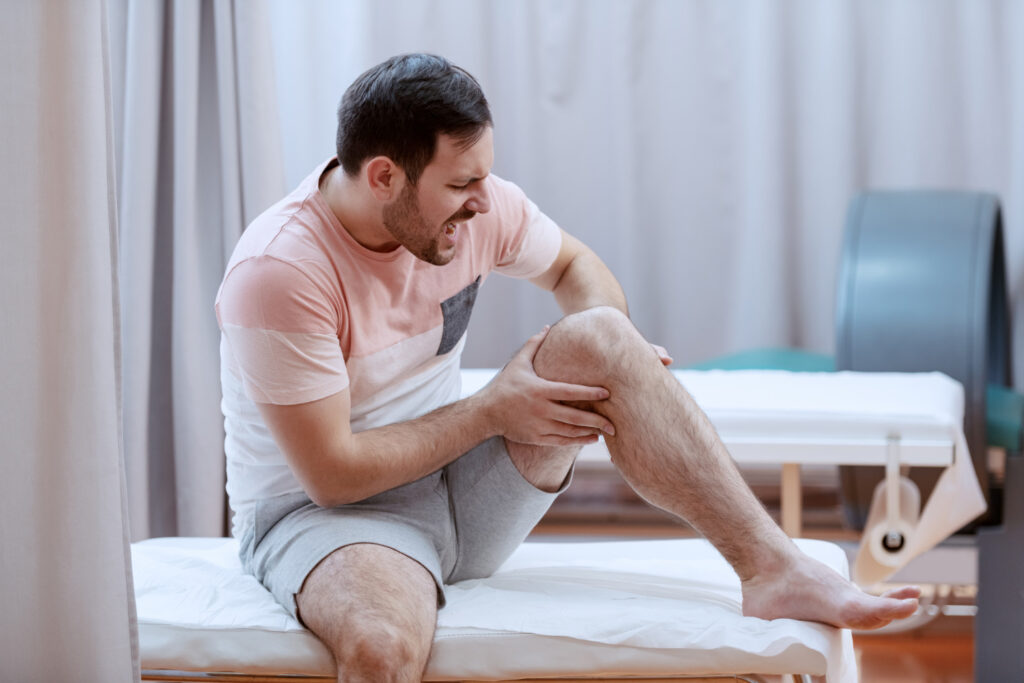
Knee Pain: Stages, Causes, and Ayurvedic Management
Knee pain is one of the most common joint problems affecting people of all ages. While many people ignore the early signs, untreated knee pain can gradually progress into severe joint damage that may eventually require knee replacement surgery. Ayurveda believes that early diagnosis and stage-wise treatment can help preserve joint health, reduce pain, and improve mobility naturally.
What is Knee Pain?
The knee is one of the largest and most important weight-bearing joints in the human body. It consists of bones, cartilage, ligaments, muscles, and lubricating synovial fluid that work together to provide smooth movement.
When any of these structures become damaged or inflamed, it results in knee pain. Initially, the symptoms may be mild, but if left untreated, the condition can gradually worsen over time.
How Does Knee Pain Develop?
In a healthy knee joint, cartilage acts as a smooth cushion between the bones. Synovial fluid lubricates the joint, allowing friction-free movement.
However, due to aging, repetitive stress, obesity, injury, or degeneration, the protective cartilage and joint lubrication begin to deteriorate. This leads to increased friction between the bones, causing inflammation, stiffness, and pain.
As the damage progresses, the supporting ligaments and muscles also weaken, making the knee unstable.
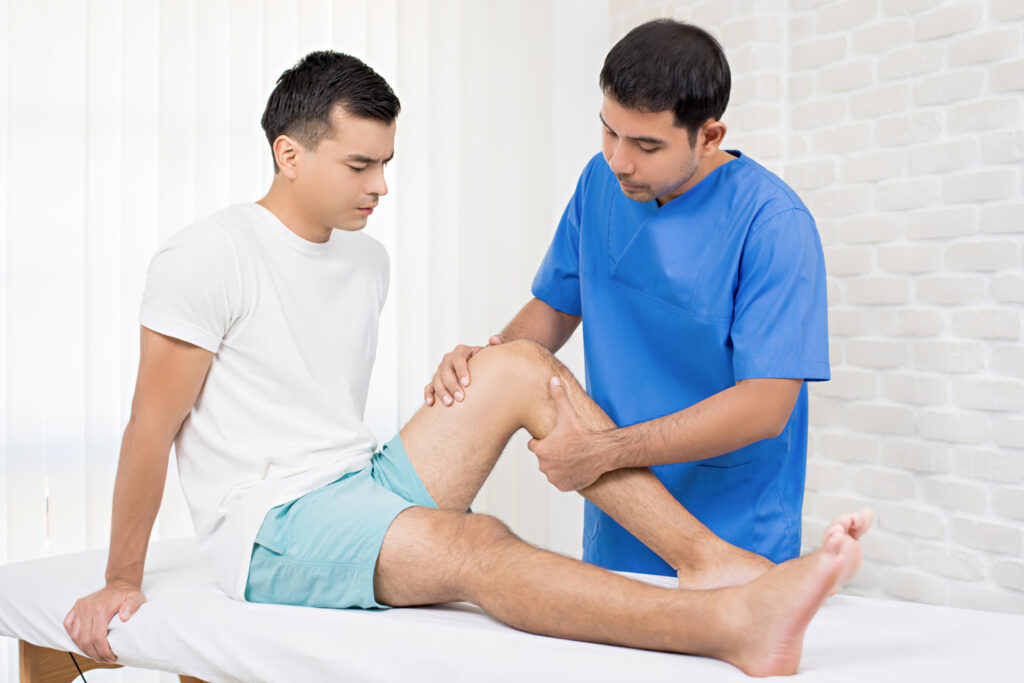
Common Symptoms of Knee Pain
The symptoms vary depending on the stage of the condition and may include:
- Cracking or clicking sounds during movement
- Pain while walking or climbing stairs
- Knee stiffness, especially after rest
- Swelling around the joint
- Reduced range of motion
- Feeling that the knee may slip or buckle
- Difficulty standing or walking for long periods
- Visible changes in the shape of the knee in advanced stages
Common Causes of Knee Pain
Several factors can contribute to knee pain, including:
- Age-related cartilage degeneration
- Osteoarthritis
- Previous sports injuries
- Obesity
- Repetitive stress on the joints
- Weak thigh muscles
- Ligament injuries
- Inflammatory joint conditions
How is Knee Pain Managed?
Treatment depends on the stage of the condition and the underlying cause.
Early-stage knee problems can often be managed through lifestyle changes, weight management, strengthening exercises, joint-supporting nutrition, and medical advice.
When inflammation develops, doctors may recommend medications, physical therapy, and activity modifications to reduce pain and improve joint function.
For moderate cases with joint instability, rehabilitation programs focusing on strengthening muscles and improving joint stability become increasingly important.
Advanced cases with severe joint damage may require surgical evaluation, including knee replacement surgery when appropriate.
When Should You See a Doctor?
Seek medical advice if you experience:
- Persistent knee pain lasting more than a few weeks
- Swelling that does not improve
- Difficulty walking
- Knee instability or repeated slipping
- Severe stiffness
- Visible deformity of the knee
- Pain that interferes with daily activities
Early diagnosis can often prevent further joint damage and improve long-term outcomes.
Final Thoughts
Ignoring knee pain simply because the discomfort comes and goes can allow the condition to progress over time. The right treatment depends on identifying the stage of the disease rather than treating symptoms alone.
If you notice persistent knee pain, swelling, stiffness, or instability, consult a qualified orthopedic specialist or healthcare professional for a proper clinical evaluation. Early intervention offers the best opportunity to maintain healthy joints, remain active, and avoid long-term complications.
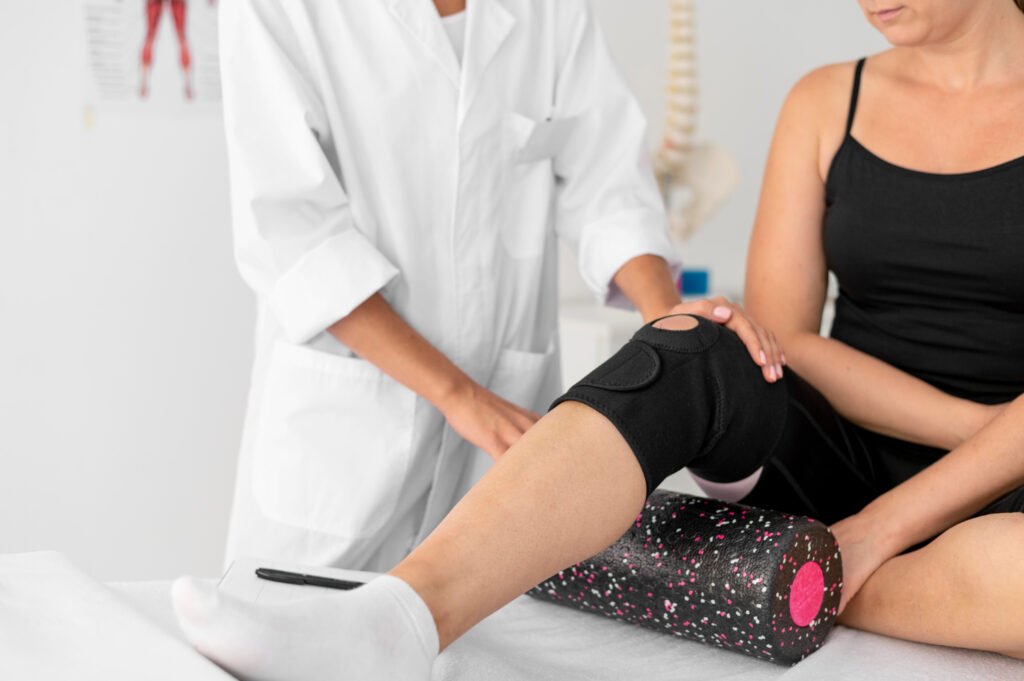
Ayurvedic Approach to Knee Pain Management
Ayurveda views knee pain as more than just a painful joint. It aims to improve overall joint function by addressing inflammation, mobility, strength, and lifestyle factors.
Depending on the individual’s condition, Ayurvedic management may include:
- Herbal medicines
- Panchakarma therapies
- Therapeutic oil applications
- Joint strengthening therapies
- Diet and nutrition guidance
- Lifestyle modifications
- Weight management
- Physiotherapy and exercise recommendations
Treatment plans should always be personalized after proper clinical evaluation by a qualified Ayurvedic physician.
When Should You Seek Medical Advice?
Consult a healthcare professional if you experience:
- Persistent knee pain lasting more than a few weeks
- Swelling that does not improve
- Difficulty walking
- Knee instability
- Frequent locking or slipping of the knee
- Visible deformity
- Severe pain affecting daily activities
Early diagnosis can significantly improve treatment outcomes and may help delay or prevent advanced joint damage.