


Subtotal ₹0.00


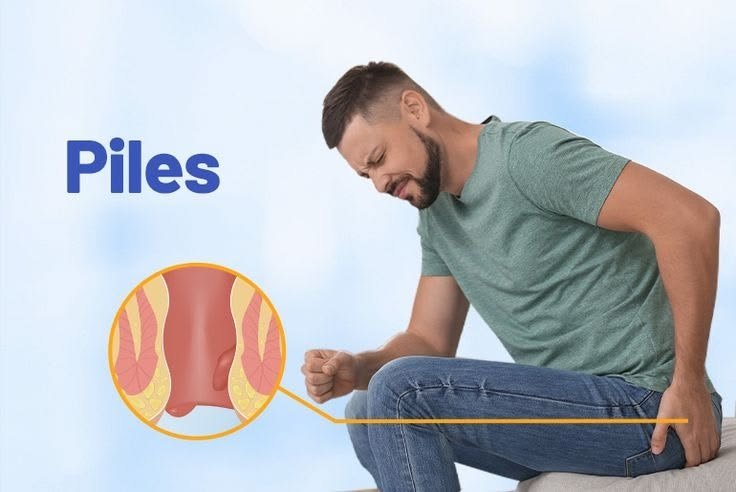
Piles, Fissure and Fistula: Understanding the Difference, Causes, Treatment and Prevention
Piles, fissure and fistula are among the most common problems affecting the anal and rectal region. Although these conditions may produce similar symptoms such as pain, bleeding, itching or discomfort, they are three different medical conditions with different causes and treatment approaches.
Many people assume that any pain or bleeding from the anus is simply “piles.” This can sometimes lead to delayed or inappropriate treatment. The first and most important step is therefore to identify whether the problem is hemorrhoids, an anal fissure or an anal fistula.
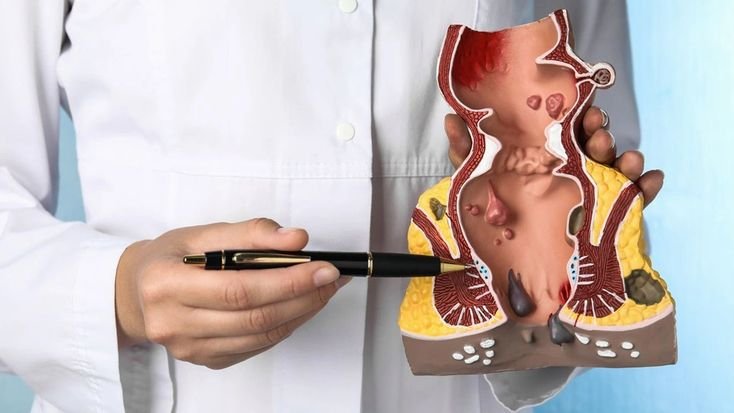
What Are Piles?
Piles, medically known as hemorrhoids, are swollen or enlarged blood vessels in and around the anus and lower rectum.
Several factors can contribute to hemorrhoids, including:
Chronic constipation
Passing hard stools
Excessive straining during bowel movements
Prolonged sitting on the toilet
Pregnancy and increased abdominal pressure
A low-fibre diet
Hemorrhoids can be classified as:
Internal hemorrhoids – located inside the rectum
External hemorrhoids – located under the skin around the anus
Common symptoms include bleeding during bowel movements, itching, discomfort, swelling and sometimes a lump around the anus.
What Is an Anal Fissure?
An anal fissure is a small tear or crack in the lining of the anus.
It commonly occurs when a person passes a hard or dry stool. The injury may cause significant pain during or after bowel movements and can sometimes result in bright-red bleeding.
Common symptoms include:
Sharp pain during bowel movements
Burning or irritation
Bright-red bleeding
Itching
Discomfort around the anus
Constipation is one of the common contributing factors. If hard stools continue to pass through the area, the wound may repeatedly reopen and fail to heal, potentially resulting in a chronic fissure.
Keeping stools soft, drinking adequate fluids, consuming sufficient dietary fibre and avoiding excessive straining can help in managing and preventing constipation-related fissures. Persistent or severe fissures may require medical treatment.
Common Causes ofWhat Is an Anal Fistula?
An anal fistula is an abnormal tunnel or tract that develops between the anal canal and the surrounding skin. It is different from both piles and fissure.
Anal fistulas often develop following an infection or an abscess near the anus.
Possible symptoms include:
A small opening near the anus
Recurrent swelling
Pain
Pus or other discharge
Repeated infection
Persistent wetness or staining of underwear
One of the important characteristics of a fistula is that the external opening may temporarily close while the underlying tract remains. As a result, symptoms can recur.
Because of this, simply taking medication to reduce infection or pain may not permanently resolve the underlying fistula in every case. Some patients may require a procedure or surgery depending on the location and complexity of the fistula.
Further evaluation may be particularly important if there is:
Recurrent bleeding
Severe or persistent pain
Pus or abnormal discharge
Recurrent swelling
Fever
A persistent opening near the anus
Symptoms that repeatedly return despite treatment
Treatment Options
Treatment depends on the specific condition, its severity, duration and the patient’s overall health.
Treatment of Anal Fissure
For mild fissures, the primary goal is to prevent further injury and allow the wound to heal.
This may include:
Keeping stools soft
Increasing dietary fibre
Drinking adequate water
Avoiding excessive straining
Warm sitz baths
Medicines prescribed by a doctor when required
Persistent or chronic fissures may require additional medical treatment or procedures.
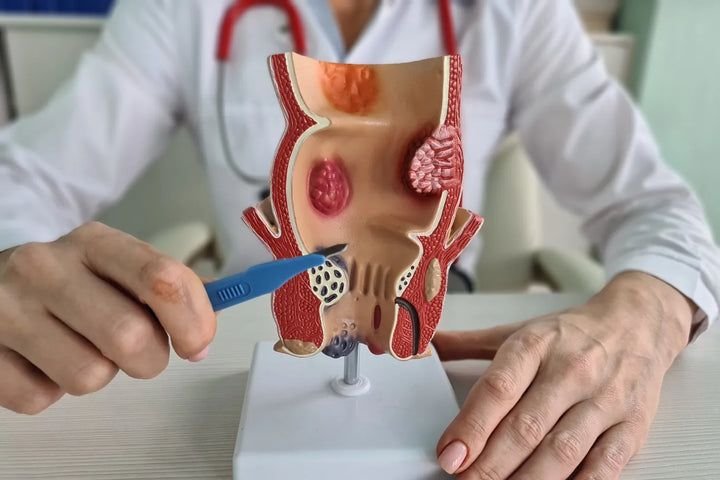
Treatment of Hemorrhoids
Treatment for piles depends on their severity. Management may include dietary and lifestyle modifications, constipation management, medicines and non-surgical procedures. In advanced or complicated cases, surgical treatment may be considered.
Treatment of Anal Fistula
Fistula treatment depends on the location, extent and complexity of the tract.
In selected cases, imaging such as an MRI may be recommended to identify the fistula tract and determine whether there are multiple or deeper extensions.
Treatment may involve a surgical procedure. In Ayurveda, Kshara Sutra, a traditional para-surgical technique, is also used by trained practitioners for the management of selected fistula cases.
The appropriate treatment should be decided after a proper examination and diagnosis.
How Can You Prevent These Problems?
thy bowel habits is particularly important in preventing constipation-related anorectal problems.
Helpful lifestyle measures include:
Drink adequate water throughout the day.
Include sufficient fibre in your diet.
Eat a variety of fruits and vegetables.
Avoid delaying bowel movements.
Avoid excessive straining during defecation.
Maintain regular physical activity.
Address persistent constipation instead of ignoring it.
Seek medical evaluation for recurrent bleeding, pain or discharge.
Foods containing probiotics, such as curd and buttermilk, may support digestive health for some people. However, persistent constipation or recurrent symptoms should be medically evaluated rather than managed only with home remedies.
Final Thought
Piles, anal fissure and anal fistula are not the same condition. While their symptoms can overlap, their underlying causes and treatment approaches are different.
If you experience anal pain, bleeding, swelling or discharge, it is important not to assume that it is simply piles. A proper medical examination can help identify the actual condition and guide appropriate treatment.