


Subtotal ₹0.00


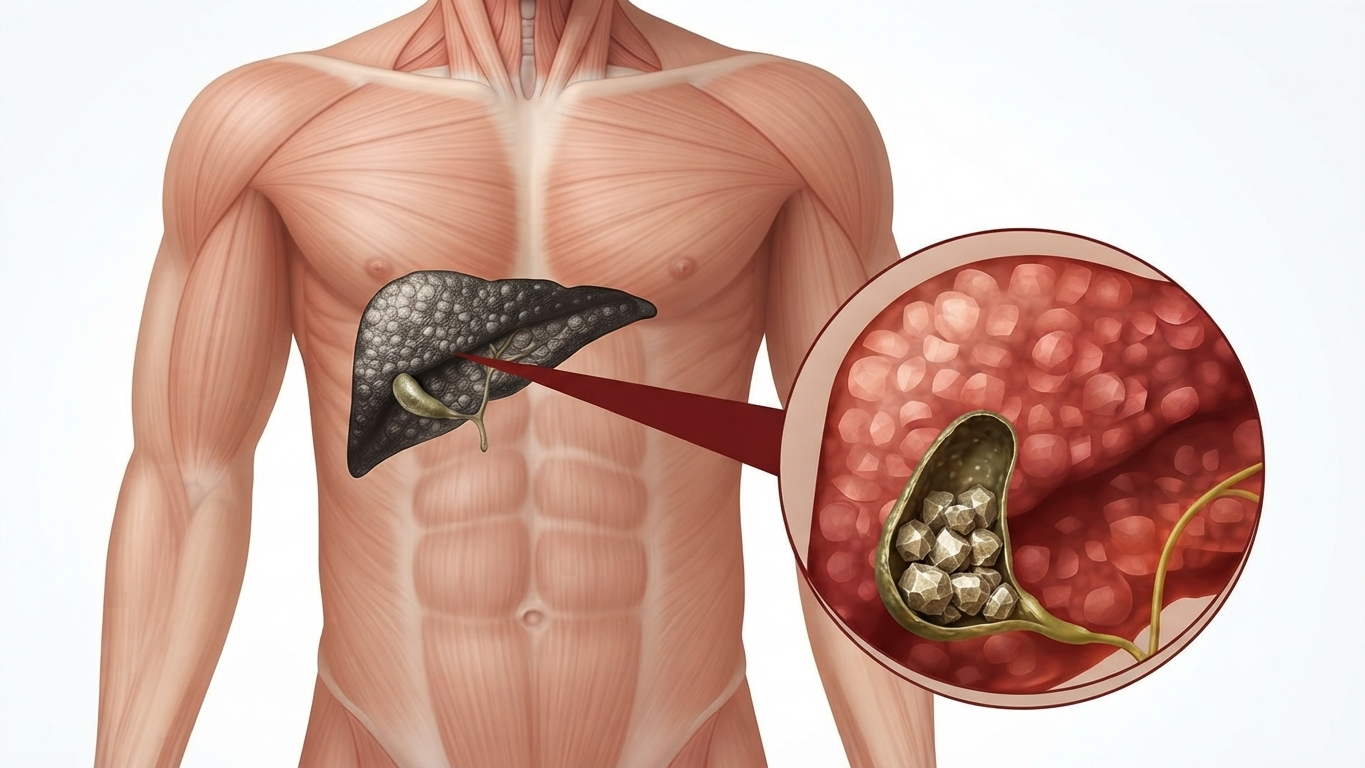
Gallbladder Stones (Cholelithiasis): Causes, Symptoms, Treatment and Important Precautions
Gallbladder stones, medically known as cholelithiasis, are a common health condition. Many people discover that they have gallstones incidentally during an ultrasound scan or routine medical examination. Some people may have gallstones without experiencing any symptoms, while others may develop abdominal pain, nausea, vomiting or digestive discomfort.
Finding a gallstone does not automatically mean that everyone needs immediate surgery. At the same time, symptomatic gallstones should not simply be ignored. The appropriate approach depends on the patient’s symptoms, the location and characteristics of the stones, imaging findings and the presence or absence of complications.
What Is the Gallbladder?
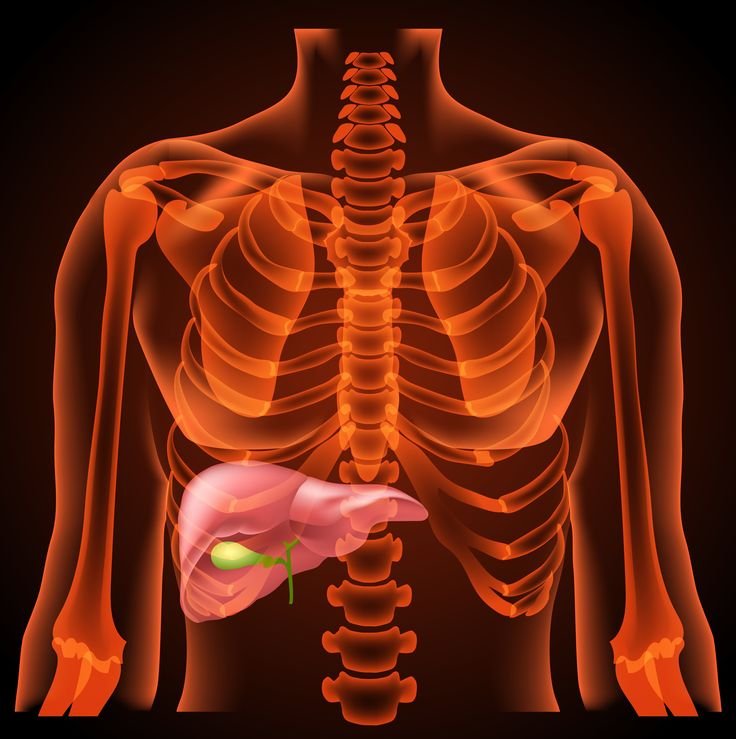
The gallbladder is a small, pear-shaped organ located beneath the liver.
Its primary function is to store and concentrate bile, a digestive fluid produced by the liver. Bile is released into the small intestine and plays an important role in the digestion and absorption of fats.
How Do Gallstones Form?
Bile contains several substances, including cholesterol, bile salts and bilirubin. When the balance between these substances changes, crystals can form within the gallbladder. Over time, these crystals may grow and develop into gallstones.
The two major types are:
Cholesterol stones
Pigment stones
Several factors can contribute to gallstone formation, including:
Being overweight or experiencing rapid weight loss
Certain dietary patterns
Metabolic conditions
Changes in gallbladder emptying
Family or genetic factors
Certain medications and medical conditions
Adequate hydration is important for overall health, but drinking more water alone cannot be guaranteed to dissolve an existing gallstone.
Common Symptoms of Gallstones
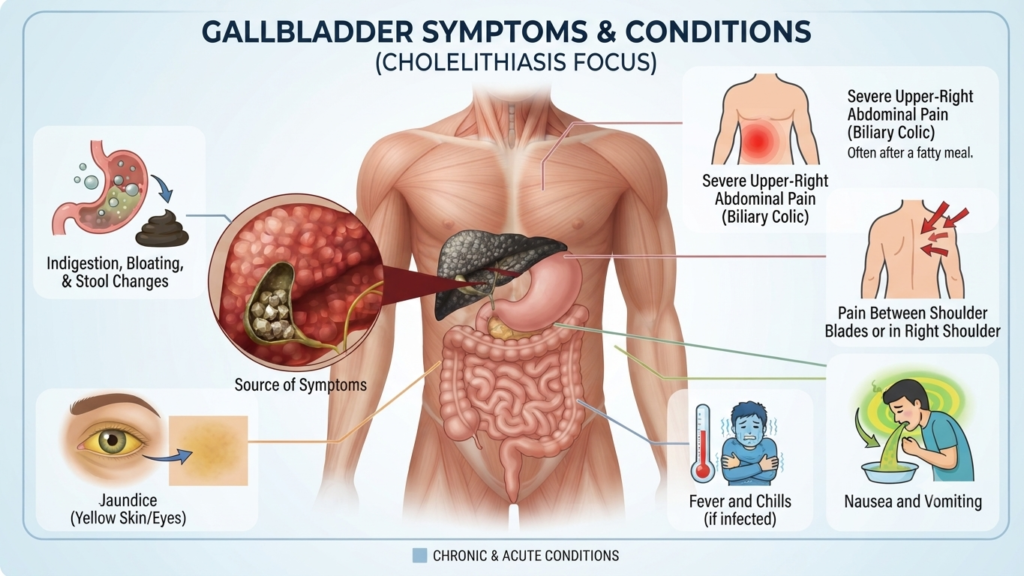
When gallstones become symptomatic, they may cause:
Pain in the upper abdomen, particularly on the right side
Abdominal pain after meals
Nausea
Vomiting
Bloating
Indigestion
Pain that may sometimes radiate to the back or right shoulder
Severe or persistent abdominal pain, fever, jaundice or repeated vomiting requires prompt medical evaluation.
Does Every Gallstone Require Surgery?
This is one of the most common questions people have after being diagnosed with gallstones.
Not every person with gallstones requires surgery. However, symptomatic gallstones and certain complications may require surgical treatment.
The surgical removal of the gallbladder is called a cholecystectomy. In many cases, it is performed laparoscopically.
Unlike some kidney-stone procedures, the standard operation for symptomatic gallbladder stones generally involves removing the gallbladder itself rather than simply removing the stones. This is because the gallbladder is the site where the stones have formed and may form again.
What Happens After Gallbladder Removal?
The liver continues to produce bile even after the gallbladder is removed. However, without the gallbladder, bile is no longer stored there and instead flows more continuously into the small intestine.
Some people may temporarily experience:
Loose stools or diarrhoea
Bloating
Changes in digestion
Difficulty tolerating certain food.
For many people, these symptoms improve as the body adapts over time.
Can Gallstones Be Safely Ignored?
Asymptomatic gallstones can often be managed with observation, depending on the individual situation.
However, symptomatic or complicated gallstones should not be ignored.
A stone may sometimes move into the bile duct and cause an obstruction. This can lead to complications such as:
1. Cholecystitis
Inflammation of the gallbladder.
2. Bile Duct Obstruction
A stone can block the normal flow of bile.
3. Jaundice
Bile obstruction can cause yellowing of the eyes and skin.
4. Pancreatitis
A stone can obstruct the drainage pathway shared by the bile duct and pancreas, potentially triggering inflammation of the pancreas.
Ayurveda and Gallstone Management
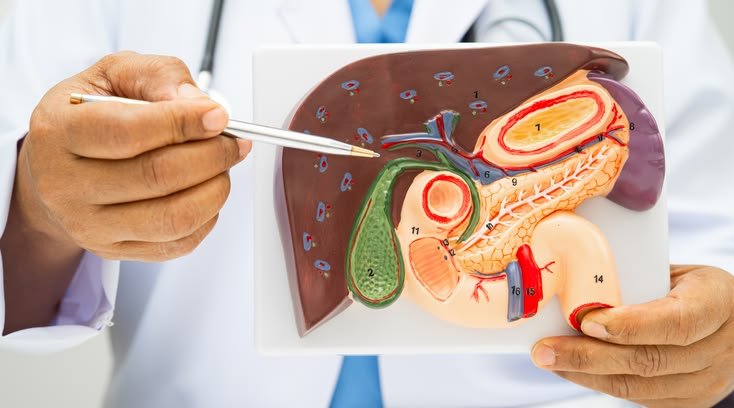
Ayurveda places importance on diet, lifestyle modification and individualized approaches to digestive health.
However, it is important to avoid the assumption that every existing gallstone can definitely be dissolved with medication. The appropriate treatment depends on the type and location of the stone and the patient’s clinical condition.
Patients considering Ayurvedic management should first undergo appropriate medical evaluation and review of relevant imaging reports. If there are signs of bile duct obstruction, acute inflammation, severe pain, jaundice or pancreatitis, prompt medical care is essential rather than relying on self-treatment.
Lifestyle Measures That May Help
A healthy lifestyle may help reduce the risk of gallstone formation and support overall digestive health.
Some useful measures include:
Eat a balanced diet.
Limit excessive intake of high-fat foods.
Include adequate fruits and vegetables.
Maintain adequate hydration.
Maintain a healthy body weight.
Avoid crash diets and very rapid weight loss.
Engage in regular physical activity.
Seek medical evaluation if abdominal symptoms repeatedly occur.
Final Thoughts
Gallstones do not affect everyone in the same way. Some people may have them without any symptoms, while others may experience recurrent pain or develop complications such as cholecystitis, bile duct obstruction or pancreatitis.
If a gallstone is discovered, there is no need to panic—but it should also not automatically be ignored.
The best approach is to evaluate the symptoms, ultrasound or other imaging findings, stone location and overall clinical condition and then decide whether observation, medical management or a procedure is appropriate.
If you have persistent or severe abdominal pain, fever, jaundice, vomiting or other concerning symptoms, consult a qualified healthcare professional promptly.