

Subtotal ₹0.00

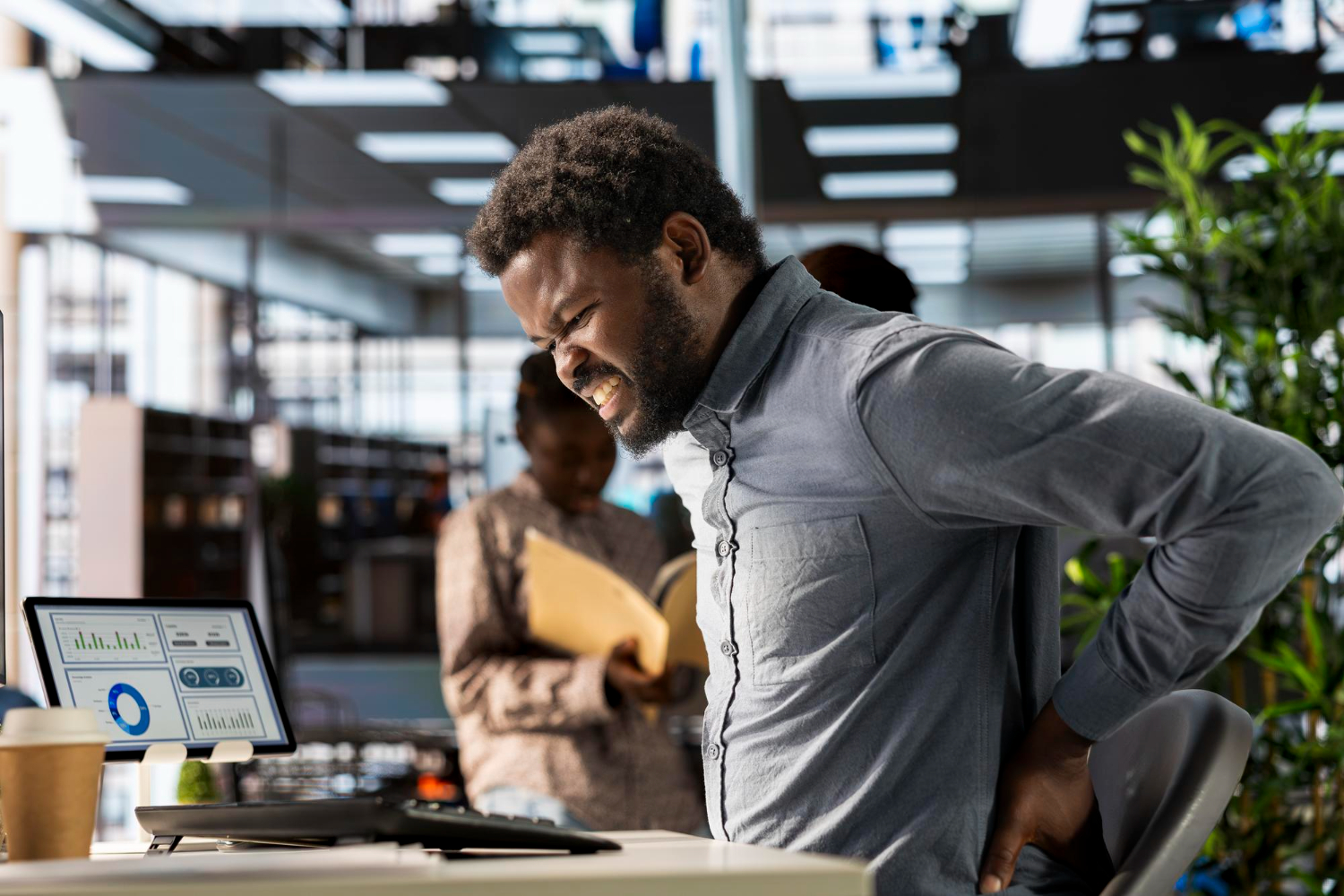
Back pain is one of the most common health problems affecting people of all ages. While many cases improve with rest and conservative care, persistent or severe back pain may indicate an underlying spinal condition that requires proper medical evaluation. Understanding the cause of your back pain is the first step toward effective treatment and long-term recovery.
What is Back Pain?
Back pain refers to discomfort or pain that occurs anywhere along the spine, from the neck to the lower back. The lower back (lumbar spine) is the most commonly affected area because it bears most of the body’s weight and plays a major role in movement and posture.
Back pain may develop suddenly after an injury or gradually over time due to age-related changes, poor posture, repetitive strain, or muscle weakness.
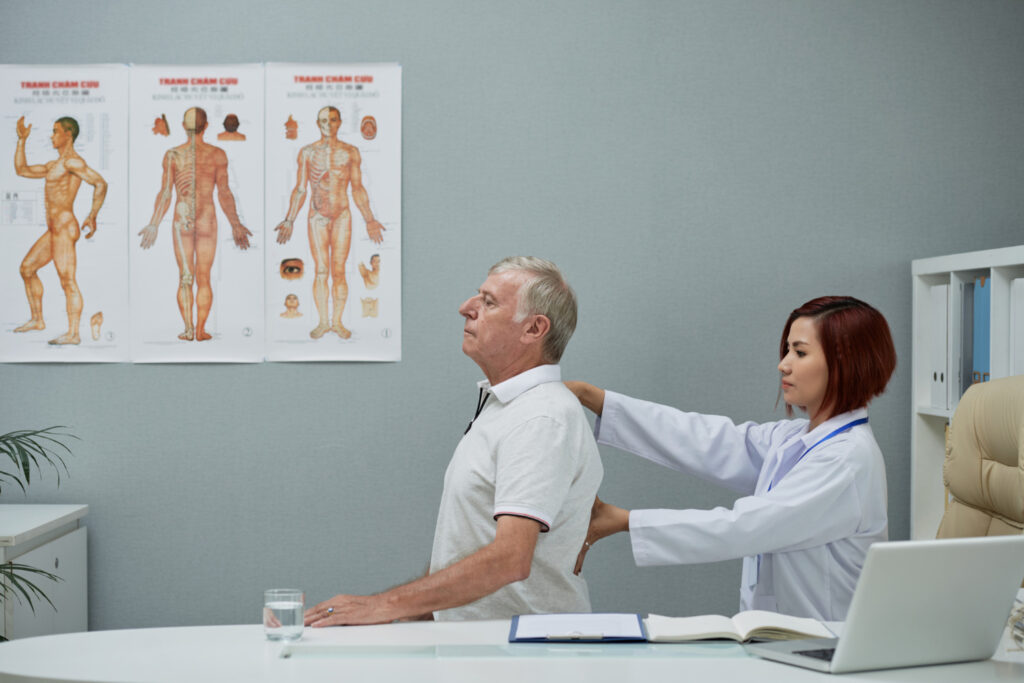
The human spine is made up of vertebrae (bones), intervertebral discs, joints, muscles, ligaments, and nerves that work together to support the body and allow movement.
When any of these structures are affected, back pain can develop. Some of the most common causes include:
- Muscle strain due to lifting heavy objects or poor posture
- Weak core and back muscles
- Degenerative disc changes with aging
- Ligament injuries
- Spinal alignment problems
- Disc bulge, disc protrusion, or disc herniation
- Compression of spinal nerves
Among these, disc-related disorders are one of the leading causes of chronic lower back pain.
Common Types of Back Pain
Depending on the underlying cause, back pain can be classified into several categories:
1. Mechanical Back Pain
Caused by muscles, joints, ligaments, or posture-related problems.
2. Disc Bulge
The spinal disc begins to protrude beyond its normal boundary without rupturing completely.
3. Disc Protrusion
A more advanced stage where the disc pushes outward and may begin pressing nearby nerves.
4. Disc Herniation (Slipped Disc)
The inner gel-like material of the disc breaks through the outer layer, often causing significant nerve compression.
5. Sciatica
Compression of the sciatic nerve leading to pain that radiates from the lower back down one or both legs.
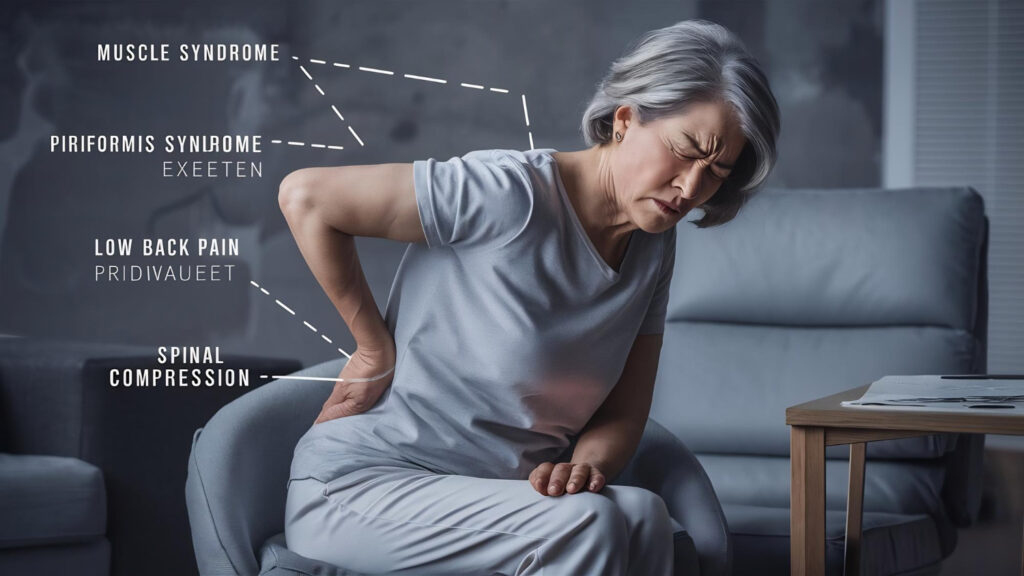
Symptoms of Disc-Related Back Pain
People suffering from disc problems may experience:
- Persistent lower back pain
- Sharp pain radiating to the legs
- Tingling or numbness
- Muscle weakness in the legs
- Difficulty standing or walking
- Reduced flexibility
- Pain that worsens while sitting, bending, or lifting
If nerve compression becomes severe, immediate medical evaluation is recommended.
Why Proper Diagnosis Matters
Not every episode of back pain requires the same treatment. Simply taking painkillers may reduce symptoms temporarily but does not address the underlying cause.
A proper clinical examination, supported by imaging studies such as MRI when necessary, helps identify whether the pain originates from muscles, discs, joints, or nerve compression.
The most effective treatment begins only after identifying the exact cause.
How Can Back Pain Be Managed?
Management depends on the severity and cause of the condition.
Conservative Care
Many patients recover successfully with non-surgical treatment, including:
- Activity modification
- Physiotherapy
- Therapeutic exercises
- Posture correction
- Weight management
- Lifestyle modifications
Strengthening the muscles supporting the spine is an essential part of long-term recovery.
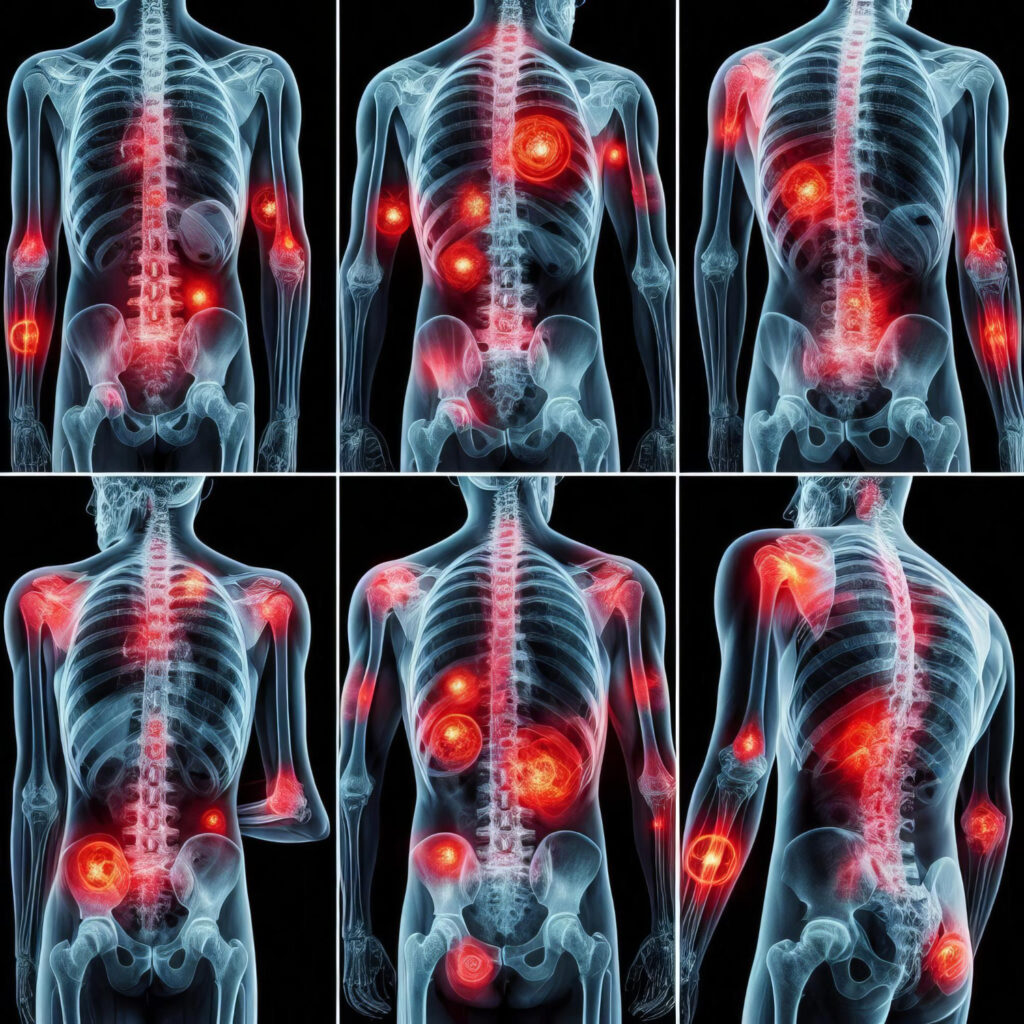
The Role of Spinal Decompression and Alignment
In selected patients with disc bulge or nerve compression, spinal traction or spinal decompression techniques may help reduce pressure on the affected discs.
Modern spinal decompression systems are more controlled and precise than traditional traction methods. When appropriately recommended by qualified healthcare professionals, these techniques may improve spinal alignment and reduce nerve compression as part of a comprehensive rehabilitation program.
Why Muscle Strength Matters
Many people experience recurring back pain even after initial relief.
One common reason is inadequate muscle strength.
The muscles surrounding the spine act as a natural support system that helps maintain proper spinal alignment. When these muscles become weak—whether due to inactivity, poor posture, injury, or other factors—the spine becomes less stable, increasing the likelihood of recurrent pain.
This is why rehabilitation should not stop once the pain decreases. Strengthening and conditioning the supporting muscles are essential for preventing future episodes.
Can Ayurveda Support Back Pain Management?
Many patients choose to combine conventional rehabilitation with Ayurvedic therapies under qualified medical supervision.
Certain Ayurvedic treatments are traditionally used to promote muscle relaxation, improve circulation, support joint mobility, and enhance overall musculoskeletal wellness. While scientific evidence varies depending on the specific therapy, these treatments may complement physiotherapy and rehabilitation in selected individuals.
An integrated treatment plan should always be personalized based on the patient’s diagnosis and medical condition.
When is Surgery Needed?
Surgery is generally reserved for patients with:
- Severe disc herniation
- Progressive muscle weakness
- Significant nerve compression
- Loss of bowel or bladder control
- Persistent symptoms that do not improve with appropriate conservative treatment
Procedures such as microdiscectomy may relieve nerve compression in carefully selected cases. However, surgery is only one part of recovery, and rehabilitation remains important afterward.
Tips to Prevent Back Pain
You can reduce your risk of developing back pain by following healthy lifestyle habits:
- Maintain good posture while sitting and standing.
- Exercise regularly to strengthen your core muscles.
- Avoid prolonged sitting without breaks.
- Lift heavy objects using proper technique.
- Maintain a healthy body weight.
- Sleep on a supportive mattress.
- Stay physically active.